 US Market
Stock Activity:
ALL USD Stocks

Chat Now !

Barclays CEO Survives Whistle-Blowing Probe With Only a Fine
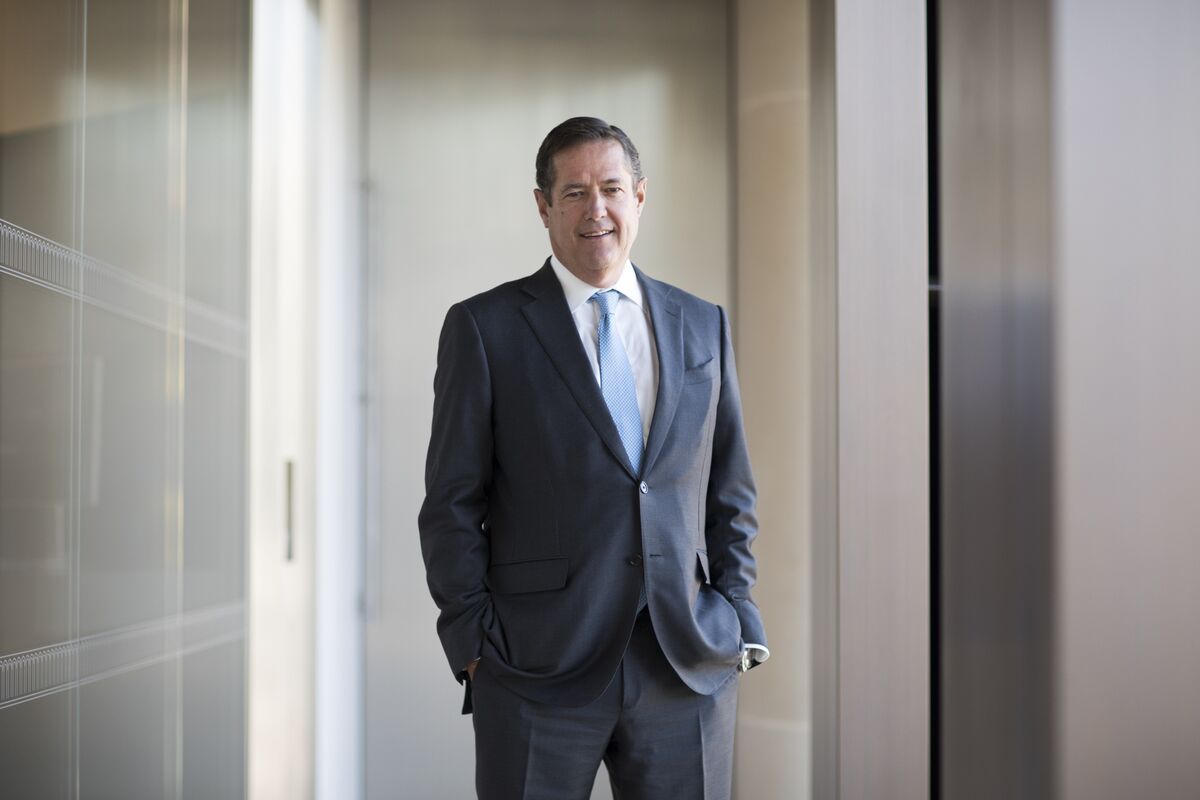
Barclays Plc Chief Executive Officer Jes Staley will keep his job after U.K. regulators said they had concluded their investigation into his attempts to unmask a whistle-blower.
Barclays Plc Chief Executive Officer Jes Staley survived a year-long regulatory probe into his attempts to unmask a whistle-blower with a fine and his job.
While the Financial Conduct Authority and Prudential Regulation Authority will impose a financial penalty on Staley for failing to behave "with due skill, care and diligence" in the scandal, they stopped short of the more serious charge that “he acted with a lack of integrity or that he lacks fitness and propriety to continue to perform his role as group chief executive officer,” the bank said in a statement on Friday.
Barclays’s board has “unanimous confidence” in Staley and continues to recommend that he be re-elected at the annual general meeting on May 1, the company said. On top of the regulatory fines, the firm has already said it may claw back his entire 1.3 million-pound ($1.6 million) bonus for 2016.
The lender reprimanded its CEO in April last year after discovering he had twice tried to identify a whistle-blower. Staley has also come under increasing pressure in his third year in charge of the Britain’s second-largest lender. In March, activist investor Edward Bramson bought a stake in Barclays with the aim of pushing for strategic change to lift the shares, adding to growing discontent among investors about the lack of progress in turning around the investment bank.
Tighter Rules
“Barclays had already tightened up its whistle-blowing procedures,” wrote Gary Greenwood, an analyst at Shore Capital with a buy rating on the company. “Overall, this is probably as good an outcome as could have been expected.”
Barclays was up 0.6 percent to 215.4 pence at 8:35 a.m. in London trading.
The whistle-blowing controversy dates back to June 2016, when Barclays’s board received an anonymous letter raising concerns about the recruitment of one of Staley’s former colleagues at JPMorgan Chase & Co., Tim Main. The letters flagged issues of a personal nature about him and Staley’s role in dealing with those concerns at JPMorgan.
After learning about the letters, Staley made two attempts to discover who wrote them, despite being informed that it was inappropriate for him to do so after his first try. Barclays’s own investigation had found Staley "honestly, but mistakenly, believed" his actions were permitted, which was why they didn’t fire him.
Culture Change
When Staley started in December 2015, he promised he’d lead a “cultural transformation” of the lender and reset strained relations with regulators after a series of misconduct fines and settlements wiped out more than 20 billion pounds of earnings over six years.
Regulators have placed whistle-blowing, and the protection of those raising the alarm, at the heart of efforts to avoid misconduct and scandals since the financial crisis. The Barclays issue is also seen by commentators as a critical test of the FCA’s Senior Managers and Certification Regime, which requires officials to be directly accountable for misconduct on their watch.
Barclays is still under investigation by U.S. authorities and continues to cooperate and provide information to them, the bank said in the statement. Multiple executives have been interviewed by New York’s Department of Financial Services, Bloomberg News reported in November.