 US Market
Stock Activity:
ALL USD Stocks

Chat Now !

Commodity Traders Stop Buying From Rusal After Sanctions
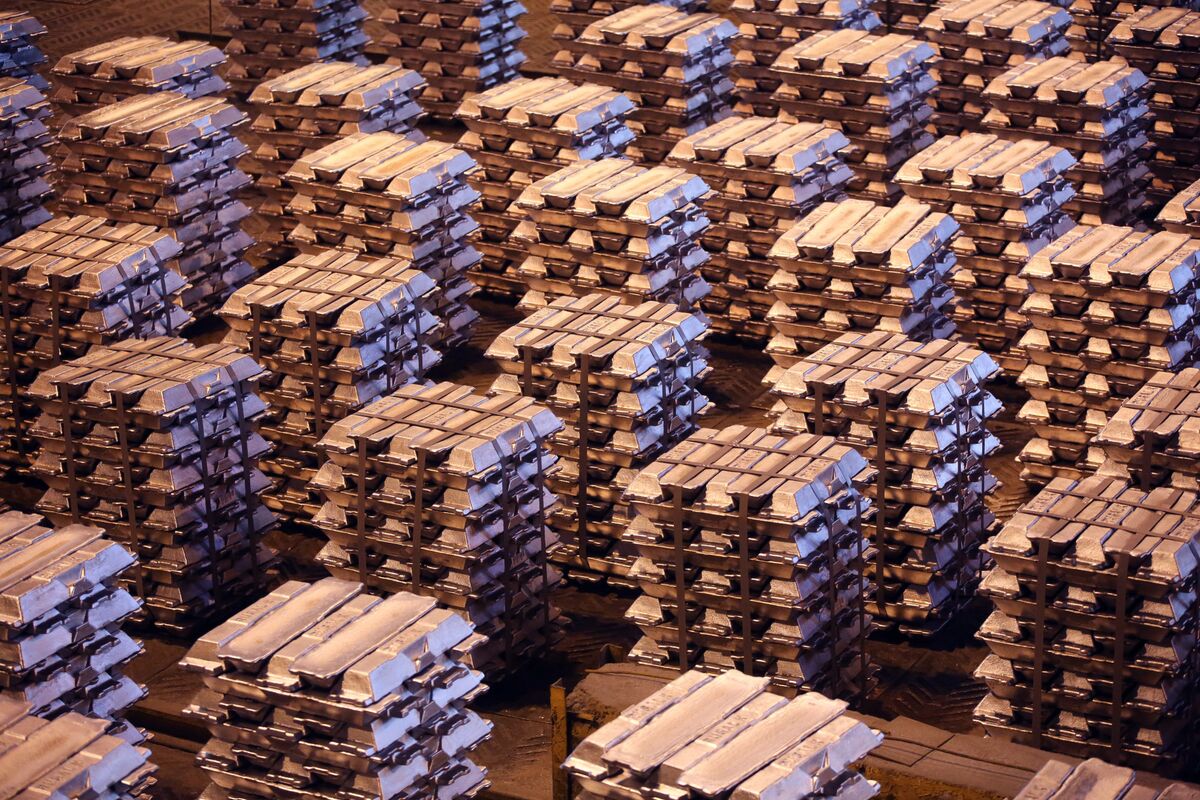
International trading houses have stopped buying aluminum from United Co. Rusal as U.S. sanctions on the Russian company sent shock waves through the market for the metal used in everything from airplanes to beer cans.
International trading houses have stopped buying aluminum from United Co. Rusal as U.S. sanctions on the Russian company sent shock waves through the market for the metal used in everything from airplanes to beer cans.
Trading houses have been advised by their banks and lawyers that they can’t continue trading with the Russian company, according to executives at five companies that regularly buy from Rusal, who spoke under condition of anonymity due to the sensitivity of the discussions.
Rusal, the biggest aluminum supplier outside China, has also asked them to "immediately withhold all payments" to the company, according a copy of a letter sent by its head of marketing.
Aluminum Giant
Share of world ex-China aluminum consumption
Source: CRU

The price of aluminum surged the most in more than two years on the London Metal Exchange on Monday.
John Whittaker, a partner at law firm Clyde & Co LLP who advises commodity traders, compared the restrictions on Rusal with the U.S. sanctions against Iran that restricted oil exports from the country and helped lift global prices.
"It would be an inhibiting factor for international traders," Whittaker said. "I can’t think of anything as significant since the banking sanctions in 2013 against Iran."
Rusal and seven other firms linked to Oleg Deripaska were the most prominent targets in a list of 12 Russian companies the U.S. hit with sanctions on Friday intended to punish the country for actions in Crimea, Ukraine and Syria, and attempting to subvert Western democracies. Deripaska is Rusal’s largest shareholder and a close associate of President Vladimir Putin.
While the sanctions don’t directly apply to non-U.S. companies, they are likely to have an effect anyway as international banks are wary of financing any transactions involving entities under U.S. sanctions, Whittaker said.
However, Rusal’s aluminum remains deliverable on the London Metal Exchange, the bourse said on Friday, and some trading house executives said they didn’t expect any problems continuing to trade Rusal metal that they had already paid for and delivered. Many trading houses own large inventories of Rusal-produced aluminum that they have accumulated over time.
Rusal produced 3.8 million metric tons of aluminum last year, making it the largest producer outside China, according to CRU Group.
The single largest buyer of Rusal’s aluminum is Glencore Plc, which bought $2.4 billion of metal from it last year. Glencore, which also owns an 8.75 percent stake in Rusal and has a seat on its board, has yet to comment on the sanctions.
Rusal shares fell 50 percent to HK$2.32 on Monday, according to pricing from the Hong Kong Exchanges & Clearing Ltd. website.