 US Market

Stock Activity:
ALL USD Stocks

Chat Now !

For Investors Used to Political Drama, Shutdown Is One More Sideshow
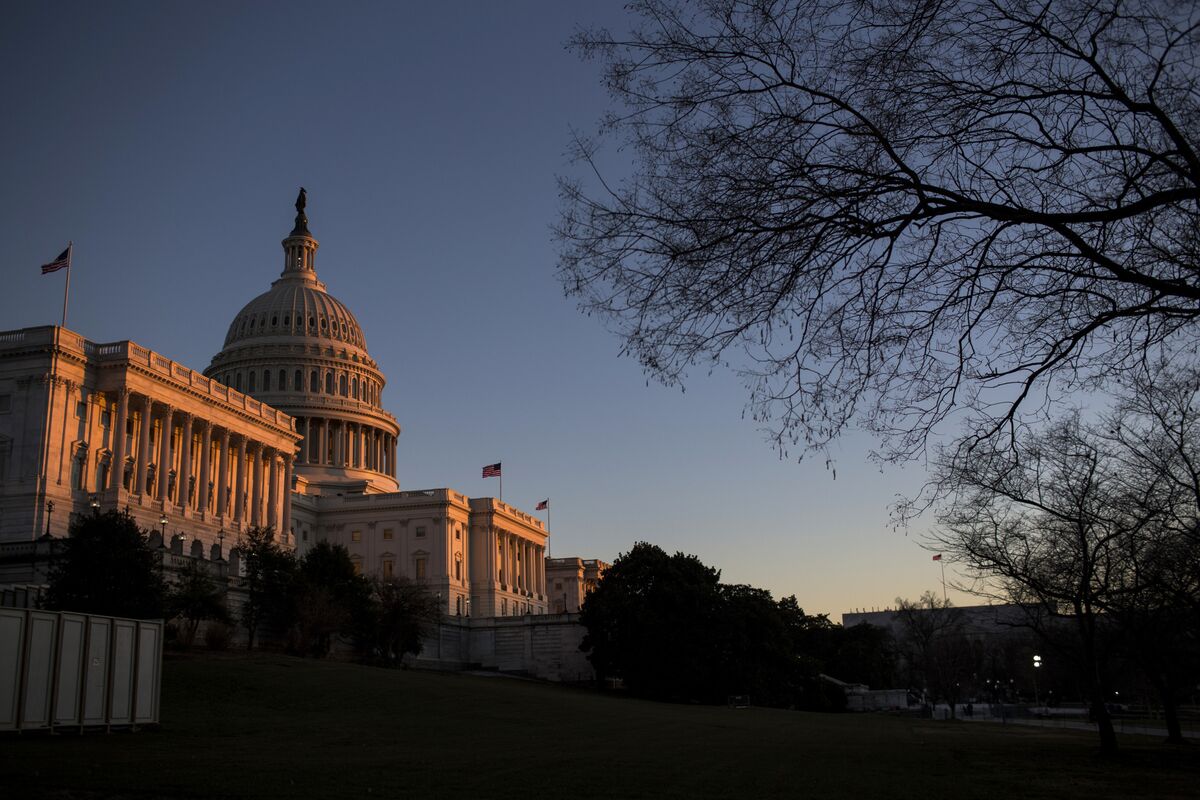
After a year of political spectacle, it’s doubtful a government shutdown will be enough to divert investors from the economic and earnings tidings that have occupied Wall Street’s minds of late.
After a year of political spectacle, it’s doubtful a government shutdown will be enough to divert investors from the economic and earnings tidings that have occupied Wall Street’s minds of late.
As long as it doesn’t last too long.
Indeed, you would’ve had a hard time telling anything was amiss yesterday, with U.S. stocks surging to their 10th gain in 13 days and closing at a record even as impasse built in Washington. That standoff culminated around midnight as Senate Democrats and a handful of Republicans blocked a funding bill and the U.S. government officially entered a partial closure.
“I’m not overly worried,” Jurrien Timmer, head of global macro at Fidelity Investments, said in a phone interview Wednesday. “The government would have to be shut down days and weeks on end for GDP to be affected, or earnings to be affected.”
Barclays Plc estimates that the shutdown will shave 0.1 percentage point off gross domestic product in the quarter, not much in an economy forecast to rise by 2.8 percent, according to estimates compiled by Bloomberg. Unless the stalemate lingers, the impact may have a hard time rattling markets that have been focused on benefits from the recently passed tax overhaul, improving corporate profitability and synchronized global economic growth.
“Many of the employees in the nonessential departments are put on furlough and then paid retroactively,” notes Neil Dutta, head of U.S. economics at Renaissance Macro Research. “In 2013, we saw a 16 day shutdown and fourth-quarter GDP was 4 percent. Whatever hit there is, gets made up quickly thereafter.”
That calm prevailed as signs of a deadlock gathered shows how desensitized investors have become to political wrangling. And why not? In 18 shutdowns over the past 42 years, the median return of the S&P 500 has been 0 percent, according to LPL Financial Research.
“Although a government shutdown sounds scary, the reality is it has been a non-event historically for equities,” LPL’s Ryan Detrick wrote in a note to investors last year.
In the most recent example, in October 2013, the S&P 500 slumped 2 percent in the immediate aftermath before reversing to rise 1.8 percent by the time a stop-gap bill was signed. Bonds likewise shrugged off the issue, with 10-year yields adding just five basis points during that span.
The shutdown comes with equity markets surging around the world. The S&P 500 just capped its third straight weekly advance to post the best start since 1987. Earnings optimism fueled partly by President Donald Trump’s tax overhaul has led to one of the biggest upward revisions to profit forecasts on record.
Global stock funds have taken in $58 billion over the last four weeks, the most ever recorded, according to Bank of America Corp. research based on EPFR data. That includes $23.9 billion last week, with the largest share going to to U.S. funds.
“In the past if we’ve had a 2 or 3 day shutdown, it hasn’t meant anything,” Scot Lance, managing director at California-based Titus Wealth Management, said by phone Saturday. “If there’s a dip, buy it.”
Goldman Sachs Group Inc., however, cautions that a protracted delay could kick risk assets in the rear end next month. By then, the list of items to bicker over will have snowballed to include the budget, immigration reform, more money for disaster relief as well as health care for children.
“The risks to the economy and financial markets are somewhat higher in February than they are this month, due to the upcoming debt limit deadline,” wrote economist Alec Phillips. “Markets have tended to shrug off shutdowns as long as the debt limit is not involved.”
— With assistance by Luke Kawa