 US Market

Stock Activity:
ALL USD Stocks

Chat Now !

Latvia to Explain Detention of ECB's Rimsevics in Graft Probe
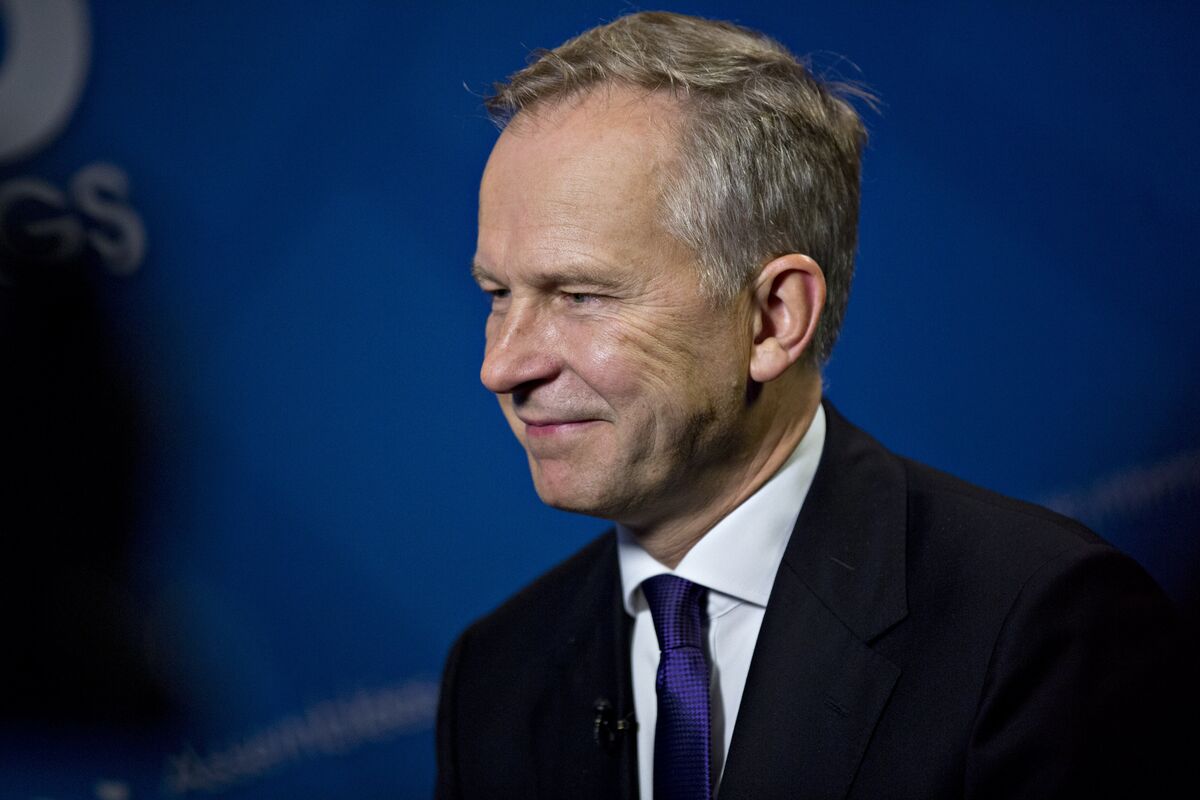
Latvian authorities prepared to explain the detention of ECB Governing Council member Ilmars Rimsevics by the anti-graft bureau in a weekend of activity culminating in the early-Monday imposition of a payment moratorium on the nation’s third-largest bank.
Latvian authorities prepared to explain the detention of ECB Governing Council member Ilmars Rimsevics by the anti-graft bureau in a weekend of activity culminating in the early-Monday imposition of a payment moratorium on the nation’s third-largest bank.
Officials including Prime Minister Maris Kucinskis and Finance Minister Dana Reizniece-Ozola called on Rimsevics, 52, to recuse himself from his duties as the Baltic state’s anti-corruption office pursued an investigation against him. They didn’t link his detention -- which the governor considers "clearly illegal," according to his lawyer -- to the lender, ABLV Bank, which is facing U.S. Treasury enforcement action for alleged links to North Korea.
“I can’t imagine that the Bank of Latvia president, who was detained under very serious accusations, could work,” Kucinskis told Latvian TV in an interview on Monday.
The developments are a setback for Latvia, a euro-area member that just last year saw its economy struggle back to pre-crisis levels after losing more than a fifth of its output in the global financial crisis. Last week, the U.S. Treasury Department proposed banning ABLV from the U.S. financial system, saying it helped entities allegedly linked to North Korea’s missile program process transactions -- charges the lender denies.
Years Ago
Rimsevics has worked at the Baltic nation’s central bank since graduating with an MBA from Clarkson University in Potsdam, New York, in 1992. After first taking the role of deputy governor that year, he was promoted to governor in 2001. He’s been a member of the ECB governing council since 2014, when Latvia adopted the euro.
His lawyer, Saulvedis Varpins spent eight hours with Rimsevics as he was being questioned Saturday night before he was taken away in a police van. He said his client was being held at the state police station and hasn’t been charged. The lawyer, who didn’t answer repeated calls and text messages, cited the reason for the detention as alleged acts from years ago, according to the Leta news service.
None of the government officials explained why Rimsevics was detained or gave any link to ABLV. The ECB declined to comment. The anti-corruption bureau will hold a news conference at 1 p.m. on Monday.
Varpins told Latvia TV that Rimsevics’s detention began at 6 p.m. Saturday. Under Latvian law, authorities must receive court approval to hold someone for more than 48 hours. Deputy Governor Zoja Razmusa will fulfill Rimsevics’s role while he’s not at the bank, spokesman Janis Silakalns said.
Reputation Crisis
"Each day that Mr. Rimsevics remains in the central bank’s leadership significantly worsens" the situation, Reizniece-Ozola said at a news conference in Riga on Sunday.
She said the country was suffering a crisis of reputation over both the detention and ABLV. Her ministry has changed its borrowing strategy and will refrain from refinancing operations in the near term, adding that Latvia asked the U.S. Treasury to discuss and share data on the lender, she said. ABLV has denied all accusations from the U.S. Treasury and said it will work with U.S. officials and provide information so that doubts about it can be laid to rest.
The central bank said Monday it had agreed to lend ABLV 97.5 million euros ($121 million) to help it with liquidity, with high-quality assets as collateral.
That followed statements from the Financial and Capital Market Commission in Riga and the ECB, which issued statements that they would limit debit transactions from the lender. The ECB said on Monday it had instructed the Latvian regulator to impose the moratorium on ABLV after the “significant deterioration of bank’s financial position,” adding that the supervisory intervention was needed to stabilize outflows.
‘Defamation Campaign’
“This means that temporarily, and under further notice, a prohibition of all payments by ABLV Bank on its financial liabilities has been imposed, and is now in effect,” the ECB said.
ABLV Chairman Ernests Bernis said the bank was the target of a "deliberate defamation campaign" and emphasized "that there is not and never has been any bribery regarding state authorities," according to a statement.
In an effort to shake off a questions that its banks hold wealth with questionable origins, Latvia’s financial regulator has fined three banks for handling accounts that were involved in a $1 billion Moldovan fraud in 2014. Five Latvian banks agreed last year to fines for failing to perform adequate due diligence and gather sufficient information on transactions and beneficiaries of deals linked to North Korea.