 US Market

Stock Activity:
ALL USD Stocks

Chat Now !

Lippmann of Big Short Fame Says Corporates Will Cause Next Pain

Greg Lippmann, who helped design the trade against subprime mortgages that became known as the Big Short, says the next financial tremors will come from corporate debt.
Greg Lippmann, who helped design the trade against subprime mortgages that became known as the Big Short, says the next financial tremors will come from corporate debt.
The former Deutsche Bank AG trader who now oversees about $3 billion at his LibreMax Capital LLC said in a Bloomberg Television interview that corporate debt and equities will face the biggest pain when the next downturn comes. Investments linked to consumer debt, unlike the last crisis, will be relatively safe because companies have been the ones gorging the most on the ultra cheap interest rates during the past decade.
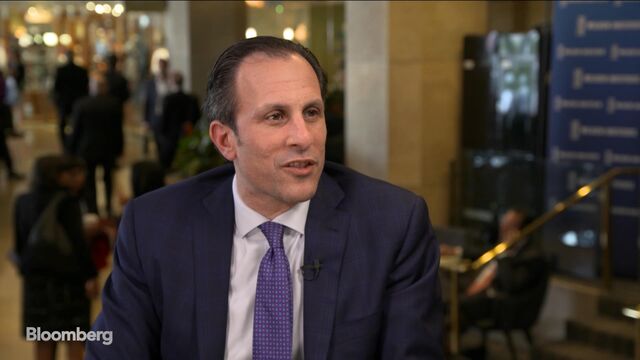

Libremax Capital LLC CIO and Portfolio Manager Greg Lippmann discusses finding the next big "big short."
Source: Bloomberg)
“If the first quarter’s volatility is a harbinger of something bigger, I think that you’re going to see a lot more trouble in the corporate market and the equity market than the structured products market,” Lippmann said on the sidelines of the Milken Institute Global Conference in Beverly Hills, California. “The consumer is in much better shape than corporates. Consumers are less levered than they were pre-crisis. Corporates are more levered than they were pre-crisis, and I think structured products are not going to be the epicenter.”
While the next recession may not be imminent, Lippmann said it is on the horizon and will be less severe but longer than the global financial crisis of 2008 and 2009. It’s likely to be more akin to 2000 through 2002, he said.
After starting LibreMax in 2010 with fellow ex-Deutsche Bank trader Fred Brettschneider, Lippmann profited by buying the kind of mortgage securities he shorted while at the German lender. That debt has since recovered, however, and LibreMax’s holdings of residential mortgage bonds have shrunk from about 80 percent of its portfolio to 20 percent, Lippmann said.
Instead, the fund has been investing in other structured products such as commercial mortgage securities, collateralized loan obligations and student-loan investments, he said. The fund has also shifted into the debt of some companies with exposure to real estate, such as homebuilders.