 US Market
Stock Activity:
ALL USD Stocks

Chat Now !

Merkel Cites `Difficult' Talks With SPD as Sunday Deadline Looms
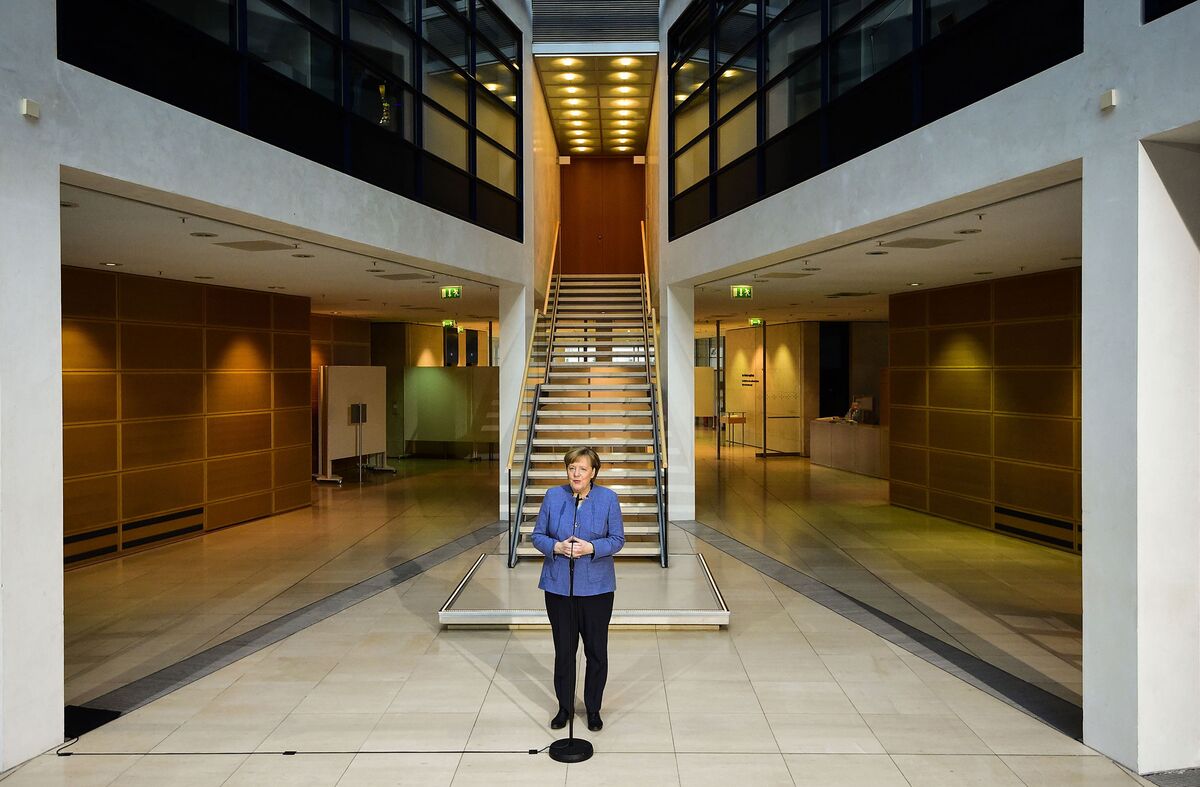
Chancellor Angela Merkel said “difficult” negotiations with the German Social Democrats lie ahead as the German parties struggled to bridge differences with a Sunday deadline looming to agree on forming a new government.
Chancellor Angela Merkel said “difficult” negotiations with the German Social Democrats lie ahead as the German parties struggled to bridge differences with a Sunday deadline looming to agree on forming a new government.
Social Democratic leader Martin Schulz said divisions with Merkel’s Christian Democratic-led bloc remain on changes to temporary-labor rules, on health-care policy and tackling rising rents. Negotiators shouldn’t feel bound by the Sunday deadline if the disputes persist, he said, signaling the talks could spill over into the beginning of the week.
“I’m entering today’s talks with good will, but with a certain expectation that difficult hours of negotiation lie ahead,” Merkel told reporters as party leaders arrived Sunday morning at SPD headquarters in Berlin. “How long this will take, we can’t say.”
More than four months after the election, Merkel remains German chancellor in an acting capacity as she inches forward with her second attempt to form a coalition government. Her fourth term as German leader hinges on the SPD’s ability to sell another term as junior coalition partner to a restive party base wary after Merkel’s 12 years in office.
Party Vote
Should the parties forge a coalition agreement on Sunday or the coming days, the deal will be put to a vote by the SPD’s more than 440,000 members, many of whom blame the party’s alliance with Merkel for its plunging electoral fortunes. Polls show SPD support slipping below 20 percent to historic lows.
The Hurdles That Remain to Merkel’s Fourth Term: QuickTake Q&A
The task is most difficult for Schulz, who was forced to back off an initial vow not to join a coalition with Merkel after her first attempt to form a government with the Greens and the pro-business Free Democrats collapsed in November.
Merkel’s bloc -- her Christian Democratic Union and the Bavarian Christian Social Union -- drafted a preliminary accord last month with the SPD that was greeted by protest by activist factions of the SPD. A special SPD congress on Jan. 21 approved entering official talks with Merkel by a thin margin -- and only after demanding more concessions on migration, the labor market and health policy.
The parties had a breakthrough last week with a compromise over family-reunion rights for asylum seekers. That leaves the other two demands as central sticking points: an SPD call to tighten rules for employers on granting temporary-work contracts and an effort to harmonize doctors’ pay for private and public insurance recipients. The CDU and CSU have balked at both.
The parties agreed last week to give themselves two more days if the Sunday deadline passes, aiming to have an agreement before many politicians return to their home districts for Carnival festivities in many predominantly Catholic regions of Germany.
— With assistance by Rainer Buergin