 US Market

Stock Activity:
ALL USD Stocks

Chat Now !

Mnuchin's Dollar Salvo Pales Against 1980s Currency War
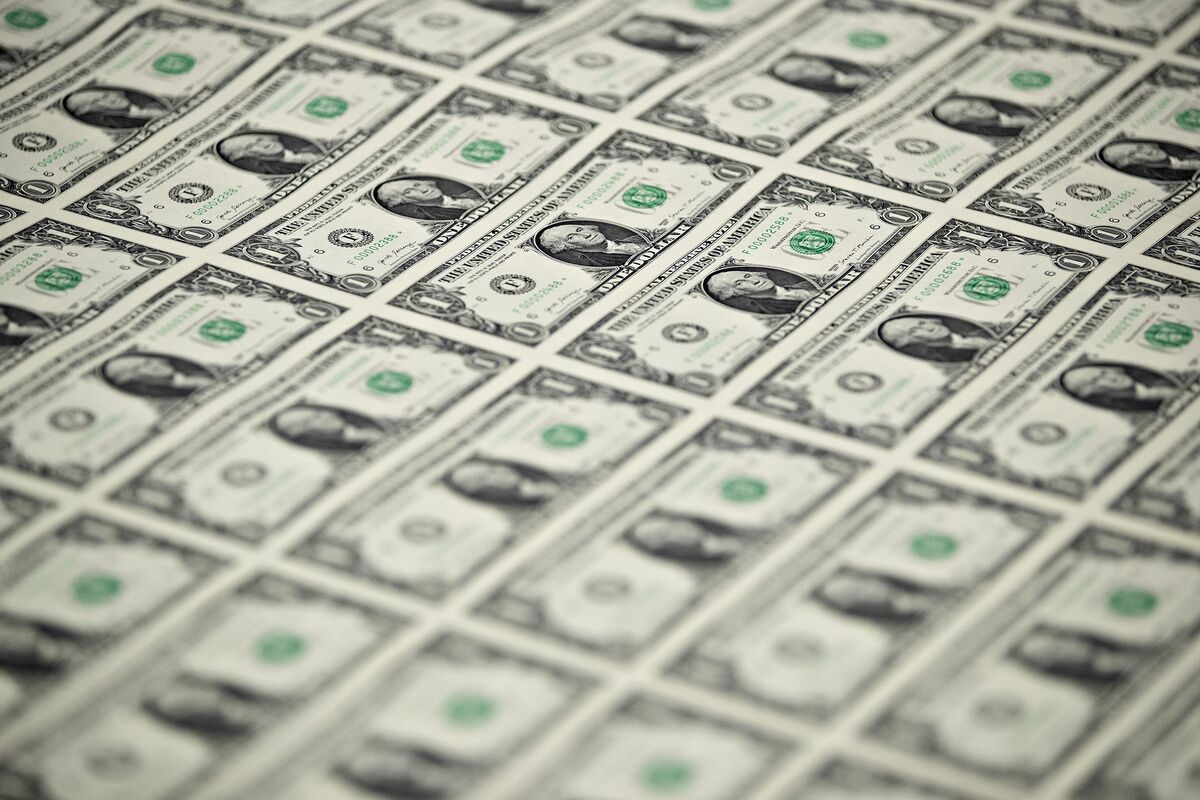
U.S. Treasury Secretary Steven Mnuchin might have made waves in Davos with his comment on a weaker dollar being helpful for American trade, but the remarks fall well short of those in the “currency wars” of the past.
U.S. Treasury Secretary Steven Mnuchin might have made waves in Davos with his comment on a weaker dollar being helpful for American trade, but the remarks fall well short of those in the “currency wars” of the past.
For the real deal, go back to the 1980s. The guardians of the world’s most advanced economies had an accord in 1985 to drive down the dollar, but they fell out in 1987 after a follow-on agreement to halt its slide.
West German policy makers “should not expect us to sit back here and accept” their raising interest rates, then-Treasury Secretary James Baker said in October 1987. The U.S. administration later told the New York Times it would let the dollar drop as a response. The rising tensions were later cited as a contributor to the Black Monday stock collapse.
Robert Rubin re-set U.S. dollar policy in 1995, emphasizing that it wouldn’t be used as a tool for trade. While his endorsement of a “strong” dollar has had varying degrees of support from successors, none has yet restored currency policy to the economic toolkit.
And signs are the Trump administration won’t do that either. Mnuchin himself said “longer term, the strength of the dollar is a reflection of the strength of the U.S. economy.” The Commerce secretary played down Mnuchin’s remark on a weaker dollar, saying it reflected that the currency wasn’t the administration’s biggest concern. And White House’s chief spokeswoman highlighted that it backs a free-floating currency.
“Beginning with Rubin’s ‘strong-dollar policy,’ best practices evolved toward letting markets determine exchange rates,” Marc Chandler, head of currency strategy at Brown Brothers Harriman & Co. in New York, wrote in a note. With the G-7 and G-20 officially having backed market-set rates, “in effect, the foreign exchange market was de-weaponized.”