 US Market



Oil Slides as Stock Markets Crumble, Shale Drilling Accelerates
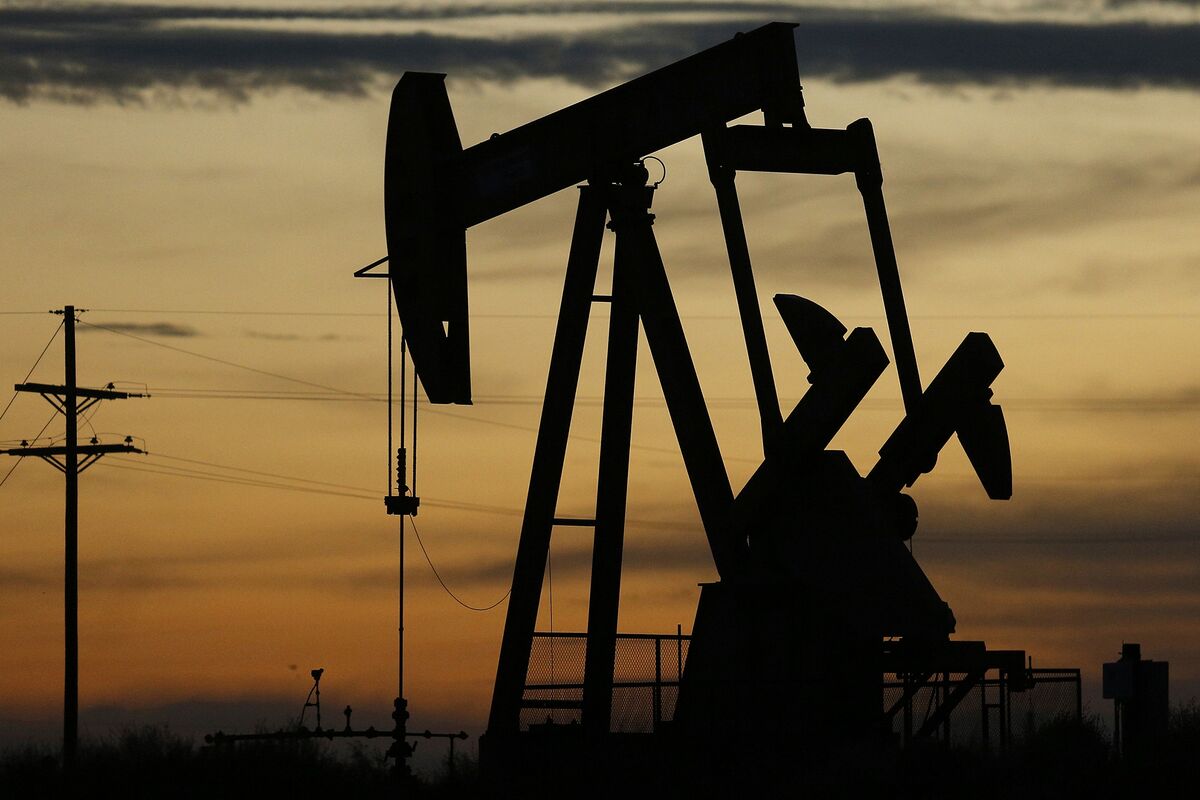
Oil’s decline accelerated as the deepening slump in equity and debt markets undermined the outlook for energy demand against the backdrop of swelling U.S. crude production.
Oil’s decline accelerated as the deepening slump in equity and debt markets undermined the outlook for energy demand against the backdrop of swelling U.S. crude production.
Futures fell as much as 2.7 percent in New York on Monday. Stock markets tumbled around the world, and confidence crumbled in emerging markets and the riskiest forms of debt. Meanwhile, the number of rigs searching for crude in American shale fields jumped to the highest in more than five months last week, a harbinger of ever-greater oil output.
“This is an everything-getting-sold kind of situation,” John Kilduff, founding partner at Again Capital LLC, said in a phone interview. “The selloff in the equity market is bleeding over to commodities on fears of economic prospects going forward.”
West Texas Intermediate crude, the U.S. benchmark, topped $66 a barrel this year for the first time since 2014, extending a rally driven by the extension of production caps by the Organization of Petroleum Exporting Countries and allied producers. While crude’s strong start to the year was also helped by dwindling American inventories and a weakening dollar, analysts have been cautioning about the potential for a surge in U.S. shale output.
“There is more supply coming to this market, and we are entering the period of the refineries’ maintenance,” Kilduff said. “We are going to see a hit to demand globally that is lowering global prices today.”
WTI for March delivery dropped $1.70 to $63.75 a barrel at 1:30 p.m. on the New York Mercantile Exchange. Total volume traded was about 68 percent above the 100-day average.
Brent for April settlement lost $1.23 to $67.35 on the London-based ICE Futures Europe exchange. The global benchmark crude traded at a premium of $3.90 to April WTI.
U.S. drillers last week added six rigs to raise the number of machines drilling for crude to 765, the highest since Aug. 11, Baker Hughes data showed Friday. That may lead to a further increase in U.S. crude production, which breached 10 million barrels a day in November to the highest level in more than four decades.
Other oil-news:
- The S&P 500 Energy Index slumped more than 6 percent last week after Exxon Mobil Corp. and Chevron Corp., the two largest U.S. oil explorers, both missed Wall Street’s profit and output forecasts, spurring a stock sell-off among investors. European energy stocks fell on Monday.
- Short-sellers against WTI futures made an appearance for a third week, casting doubts over oil’s more than 50 percent rally since June. Short positions increased 6.3 percent to 39,127 contracts in the week ended Jan. 30, rising the most in eight weeks, according to CFTC data.
- Iran can swiftly boost oil production if OPEC decides to scrap limits on global output when the group meets next in June, Oil Minister Bijan Namdar Zanganeh said Sunday.
- Saudi Arabia kept pricing for its main crude grade to Asia unchanged for a second month as the world’s largest crude exporter responds to slower seasonal demand versus earlier expectation for a small decrease in a Bloomberg survey.
— With assistance by Perry Williams, Sharon Cho, and Alex Longley