 US Market

Stock Activity:
ALL USD Stocks

Chat Now !

Pakistan's Ruling Party Strengthens Grip in Senate Elections
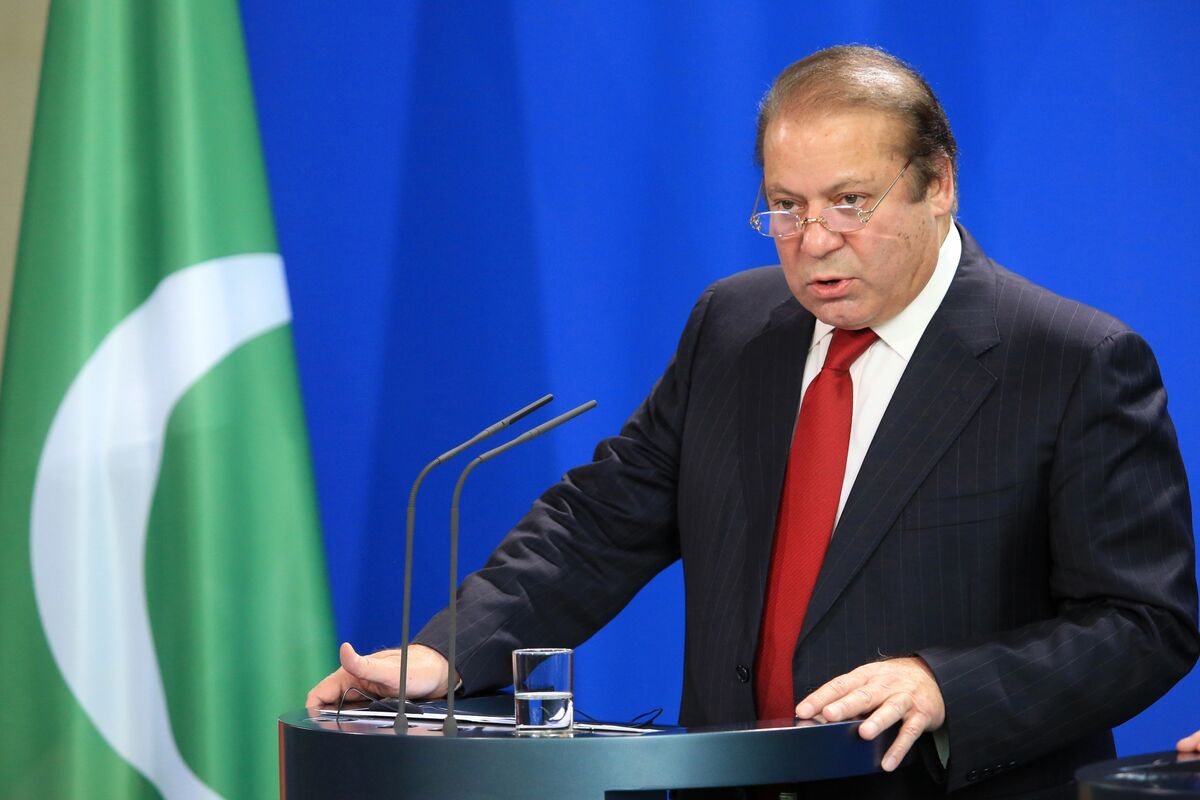
Pakistan’s ruling party is set to become the largest party in the Senate during a closed-door upper house election on Saturday, strengthening the group’s hand before national polls in July despite legal set backs and corruption proceedings against its leader …
Pakistan’s ruling party is set to become the largest party in the Senate during a closed-door upper house election on Saturday, strengthening the group’s hand before national polls in July despite legal set backs and corruption proceedings against its leader Nawaz Sharif.
Early indications from local media show candidates affiliated with the Pakistan Muslim League-Nawaz have so far won 14 seats, taking their total to 31 in the 104-strong Senate, elected by lawmakers for six-year terms. The largest opposition group, the Pakistan Peoples Party, led-by former president Asif Ali Zardari and his son Bilawal Bhutto Zardari, gained 11 seats for a combined 20. A total of 135 candidates contested the 52 seats up for grabs and counting is ongoing in two provinces.
The PML-N, which has a majority in the lower house of Parliament, has suffered multiple blows in the past year. Sharif was first disqualified as prime minister last July by the Supreme Court following an investigation into his family’s business. Last month the top judges also barred him from leading his party and as a consequence the Election Commission nullified his candidate choices for the Senate ballot, forcing them to run as independents. That mattered little with the Sharif family still wielding total control over party members.
Contrary to some expectations, Sharif has managed to prevent defections despite the criminal charges. The Senate gains strengthens the perception that Sharif can return the group to power in five months. Since his removal as the premier, the PML-N has been victorious in at least three key by-elections. In a major upset last month it managed to beat and take a seat from the Movement for Justice party run by Sharif’s main political rival and former cricket star Imran Khan.
‘Anger and Revenge’
The victories have in part shown an endorsement for Sharif’s policies, which he says has revived a violence-wrecked economy. Since coming to power in 2013 his party has reduced daily power outages and has ushered in China’s financing of more than $50 billion in infrastructure projects across the country. The government is forecasting the economy will expand six percent this financial year, the highest in a decade. Security has also vastly improved across the country thanks to multiple military operations against insurgent groups that target Pakistan.
Nonetheless the ruling party faces strains both politically and economically. Imports for the Chinese projects and waning exports have led to widening current-account and trade deficits. Foreign reserves are also declining, prompting speculation that Pakistan may need its 13th International Monetary Fund bailout since 1988.
The Sharifs have been tarnished by damning corruption reports. Nawaz and his daughter Maryam, who was widely seen as his political heir, face criminal charges currently being heard by an accountability court. They deny any wrong doing and Nawaz has said the Supreme Court justices are prosecuting him out of “anger and revenge.”
To some degree, Sharif is gaining public sympathy by presenting himself as a victim and it has helped him keep his party together. “Sharif will carry this victim narrative in his election campaigning,” said Hasan Askari Rizvi, a political analyst in Lahore.
— With assistance by Ismail Dilawar