 US Market

Stock Activity:
ALL USD Stocks

Chat Now !

Russia’s Ruble Catches a Break as Crude Surge Offsets Syria Woes
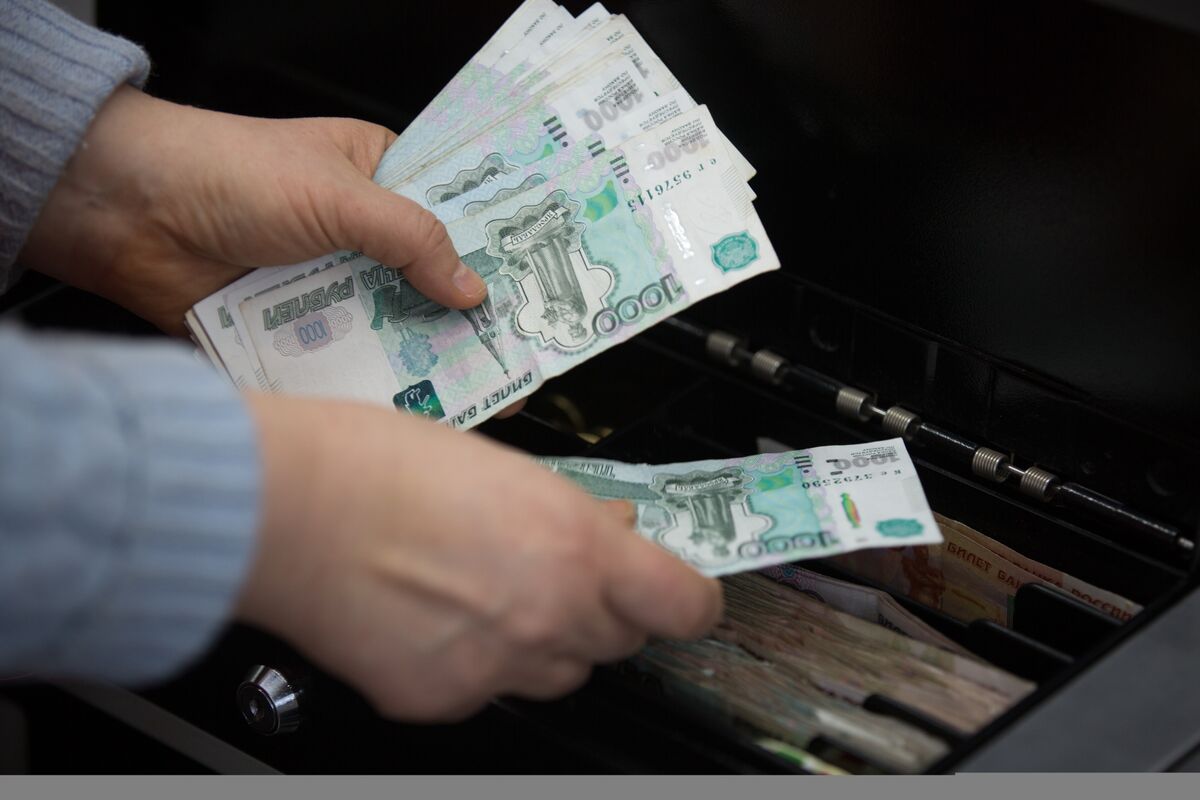
The ruble bounced back from the lowest level in 15 months and bonds climbed as advancing oil prices tempered investor nerves amid U.S. and Russian brinkmanship in Syria.
The ruble bounced back from the lowest level in 15 months and bonds climbed as advancing oil prices tempered investor nerves amid U.S. and Russian brinkmanship in Syria.
The ruble jumped as much as 1.8 percent to 61.50 per dollar, while 10-year local bonds rallied for a second day. The biggest Russian equity-focused exchange-traded fund, which is dominated by Russian oil and gas majors, had an inflow of $58.6 million on Wednesday, the most since Jan. 5, as Brent spiked amid escalating geopolitical risks in the Middle East.
The escalation of the conflict in Syria creates a dilemma for investors. On the one hand it adds to the geopolitical uncertainty that has battered markets this week, while on the other it pushes up the price of crude, Russia’s main export earner.
The ruble sank to a 16-month low in intraday trading on Wednesday after U.S. President Donald Trump warned Russia on Twitter to get ready for missile strikes in Syria. It ended the day in the green on Brent’s gains and a comment by Treasury Secretary Steven Mnuchin that he remains opposed to the so-called nuclear option of sanctioning Russia’s sovereign debt.
“The market took Mnuchin’s comment as a long-awaited source of positive news and hope that the U.S. and Russia will start a dialog,” said Yury Tulinov, an analyst at Societe Generale SA’s Rosbank unit in Moscow. “The tension around Syria, of course, is still there as traders await the missile strike and Russia’s response.”
Read More: Trump’s Tweets Make Russia’s Top Export More Valuable Than Ever
Despite the rhetoric, the U.S. president hasn’t decided how to retaliate against Assad, White House spokeswoman Sarah Huckabee Sanders told reporters Wednesday, adding that Trump has been in talks with a number of key allies in recent days. The Syria tensions come on top of the U.S.’s harshest sanctions yet, which drove one of the country’s largest employers out of the dollar economy and Russian aluminum out of key exchanges.
The ruble selloff went too far this week, although the currency is unlikely to strengthen substantially beyond 60 against the dollar in the near term, Credit Suisse Group AG analyst Nimrod Mevorach wrote in a note dated April 11.
“The sanctions and geopolitical risk premium attached to the ruble will likely remain higher than it was before the recent market turmoil and potentially for some time,” Mevorach said.