 US Market
Stock Activity:
ALL USD Stocks

Chat Now !

Seoul's Painful Stock Tax
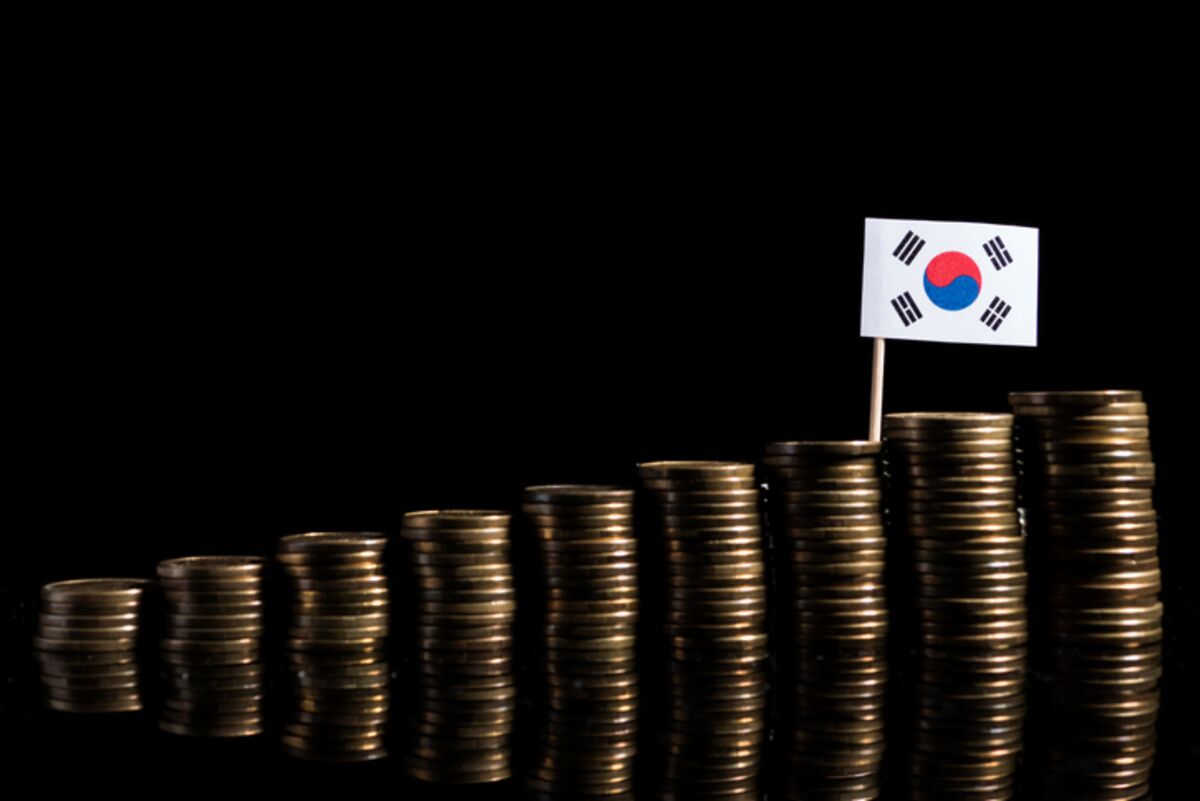
International inflows could come to an abrupt halt.
Along with North Korean leader Kim Jong Un's saber rattling, foreign investors with an eye on South Korea may soon face another problem: higher taxes.
The international cash that's been flowing into the nation's stocks over the past few years could come to a screeching halt if a pending capital-gains-tax increase is passed.
Back in Play
Foreign money has returned to South Korean stocks over the past few years
Data: Bloomberg; graphic by Bloomberg Gadfly

Currently, international fund managers or their affiliates need to hold at least 25 percent of a South Korean company before being subject to capital gains tax. Seoul issued draft regulations last week that could mean overseas investors would have to pay such a levy if they've held as little as 5 percent of a single stock at any time during the last five years.
If the law passes, offshore investors will have to fork out either 22 percent capital gains tax, or 11 percent of share-sale proceeds, whichever is the lower. The draft rule is open to market comment until the end of the month and probably wouldn't become law before July.
Should legislation pass, it would cover investments from jurisdictions with which South Korea doesn't have a tax treaty, including Hong Kong, Singapore, Luxembourg, and, problematically for many funds, the Cayman Islands.
It's not like Seoul would be making a lot of money from this move, considering the overwhelming majority of foreigners hold less than 5 percent of shares in Korean companies anyway. It will also create a lot of paperwork. How will a broker know how much an investor and related affiliates have purchased of a company, particularly if different brokerages are used for the trades? And how can profit be calculated if the initial purchase price isn't known?
Brokerage firms with the legal obligation of having to withhold and pay the tax will need to decide whether to retain 11 percent of any sale proceeds, since they won't know how much the profit is. Investors will then have to file for a rebate, which could take months or even years. Apart from the foreign-exchange risk of tying up such money, the potential disruption to a fund's cash flow is off-putting.
While the logic behind the increase is to place South Korean investors on the same footing as international ones, 1 it risks a large amount of overseas inflows.
Korean Charisma
South Korea had more than $8.8 billion of inflows over the past 12 months, behind only China and India in Asia
Data: Bloomberg; graphic by Bloomberg Gadfly

Since taking office last year, South Korean President Moon Jae-in has implemented many admirable policies, including boosting funding for social welfare and taking steps to rein in the nation's chaebol. But this potential levy increase for foreign investors is a misstep. The inevitable trading slump would also cut revenue the government currently gets from stamp duty it charges.
With foreign investors becoming an increasingly important part of the market in South Korea, this looks like a lot of pain for little gain.
This column does not necessarily reflect the opinion of Bloomberg LP and its owners.
More News...