 US Market

Stock Activity:
ALL USD Stocks

Chat Now !

Tesla Recalls May Disrupt Cash Flow in Lease Bonds, Moody's Says
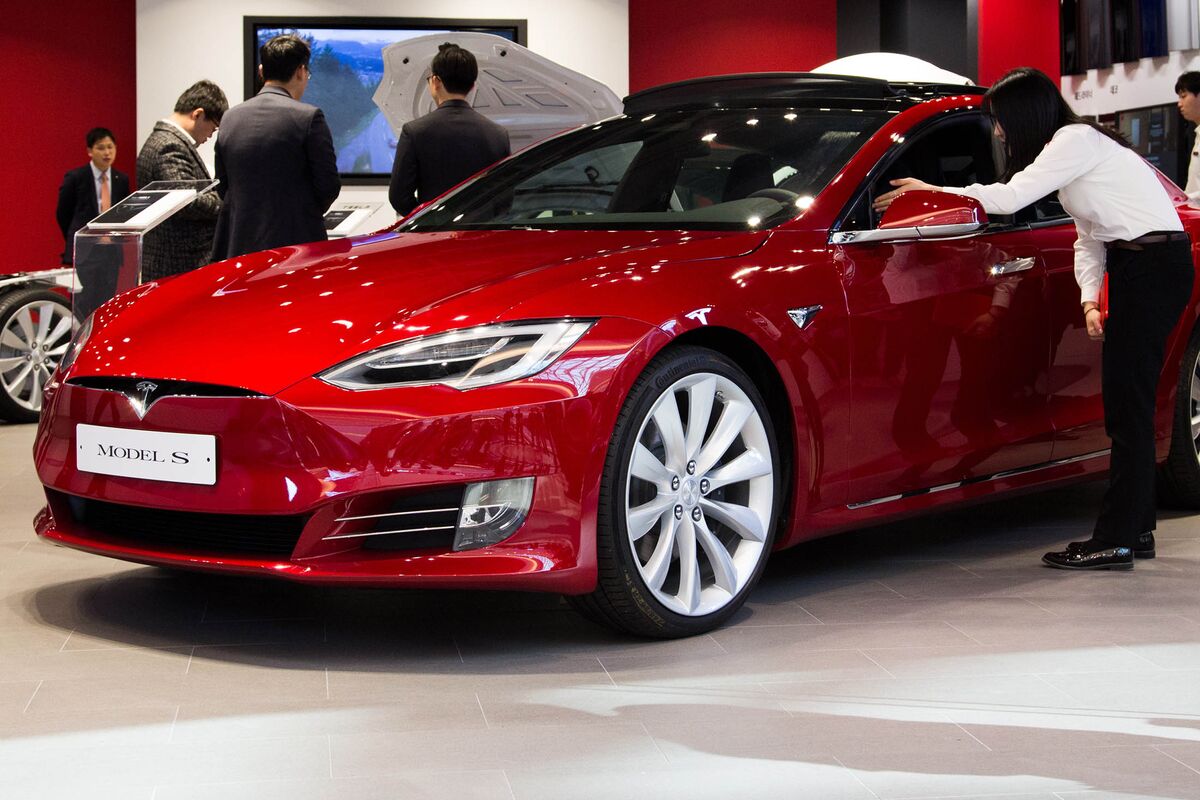
Tesla’s recall of 123,000 Model S cars could temporarily disrupt cash flows to the company’s $523 million bonds backed by auto leases, modestly hurting investors, according to Moody’s Investors Service.
Tesla’s recall of 123,000 Model S cars could temporarily disrupt cash flows to the company’s $523 million bonds backed by auto leases, modestly hurting investors, according to Moody’s Investors Service.
The recall will fix bolts used in power steering on sedans built before April 2016. For leased cars, the recall may create a problem at the end of the contract, when Tesla will have to repair any automobiles that haven’t yet been fixed. Any delay could result in the company taking longer to sell the cars after the lease, which could translate to bondholders getting their principal back slower, Moody’s said.
"Given the depreciating nature of the assets, any major delays in the repair process, and consequent remarketing, may reduce resale values," analysts Nick Monzillo and Daniela Jayesuria wrote in a note Monday. The ratings firm called the recall "marginally credit negative" for investors in Tesla’s 2018 lease securitization.
Any disruption to cash flows would only happen if there are delays in repairs because of, for example, difficulty getting parts, Moody’s said. A slowdown in cash flows would be temporary, the ratings firm said. Tesla has said that the repairs are minor and take about an hour per vehicle to complete.
Affected Model S cars account for 28 percent of the value of leases in the securities. The potential resale value of the cars is a key component in figuring out how much leases are worth, and was an issue for investors who considered buying Tesla’s bond in February. Because the electric vehicle market is new, there’s little data available.
A representative for Tesla wasn’t immediately available for comment.
‘Excessive Corrosion’
Tesla said in March that it’s performing the voluntary recall after observing “excessive corrosion in the power steering bolts, though only in very cold climates, particularly those that frequently use calcium or magnesium road salts.” The issue hasn’t led to any accidents or injuries.
The probability of "a major decrease" in resale values due to the recall is "remote" because the cars affected by the recall can still be driven and Tesla says repairs take only about an hour per vehicle to complete. The bonds also have additional protections for investors in the event that resale values fall severely.
The end of the leases are "fairly well distributed," the analysts said, which may smooth out risk of repair delays before the cars are sold. More than half of the Model S cars in the bond are located in warm states like California and Florida, another potential positive.
Borrowers’ monthly lease payments probably won’t be affected by the recall because lessees have high average credit scores and bolt supplier Bosch Auto Parts is paying for the replacement parts.
The largest portion of Tesla’s deal, $423 million of Aaa-rated bonds due in 2019, traded at 99.6 cents on the dollar Tuesday, according to Trace, the bond price reporting service of the Financial Industry Regulatory Authority.
— With assistance by Dana Hull