 US Market

Stock Activity:
ALL USD Stocks

Chat Now !

The Battery Will Kill Fossil Fuels—It's Only a Matter of Time
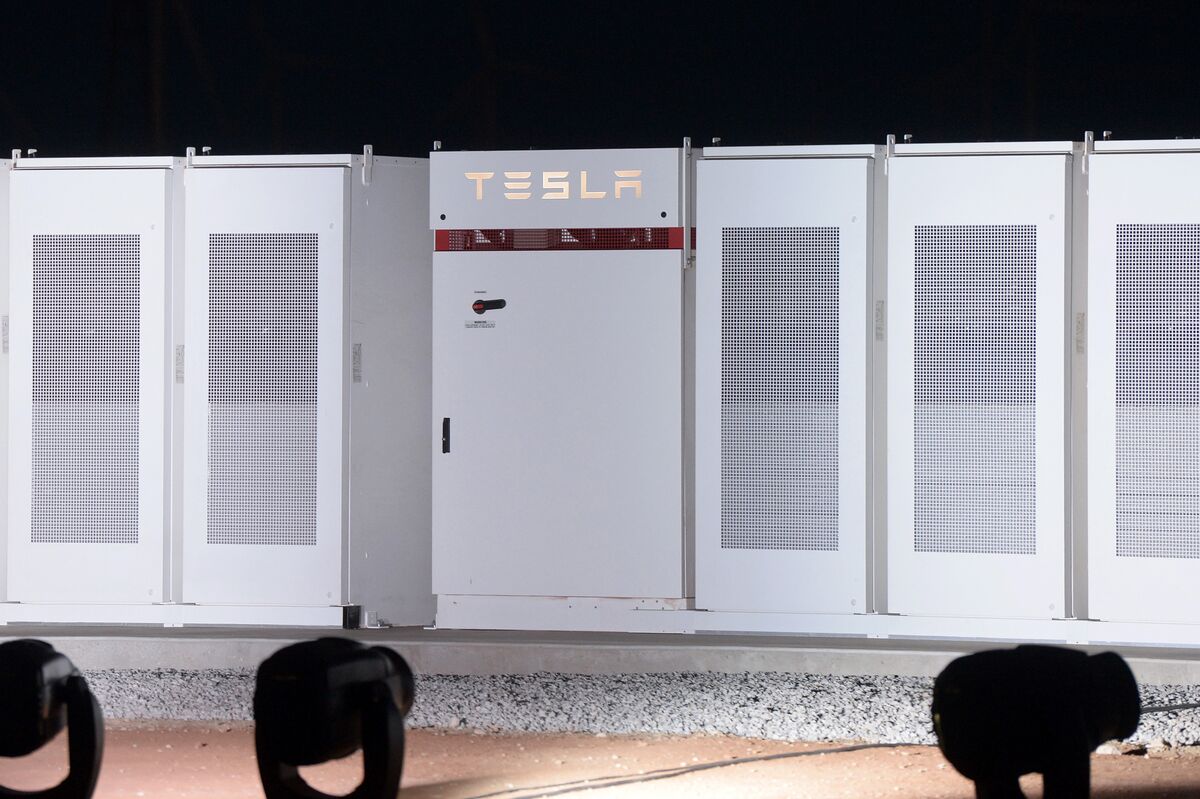
Three weeks ago, a U.S. agency sent the clearest signal yet that fossil fuels’ days are numbered.
Three weeks ago, a U.S. agency sent the clearest signal yet that fossil fuels’ days are numbered.
True enough, the carbon-burning economy has been declared to be on its death bed umpteenth times before. But this came with a time frame related to the ultimate killer: the battery. The Federal Energy Regulatory Commission ruled that so-called energy-storage companies such as Tesla Inc. and AES Corp. can compete against traditional power plants in U.S. wholesale markets by the end of 2020.
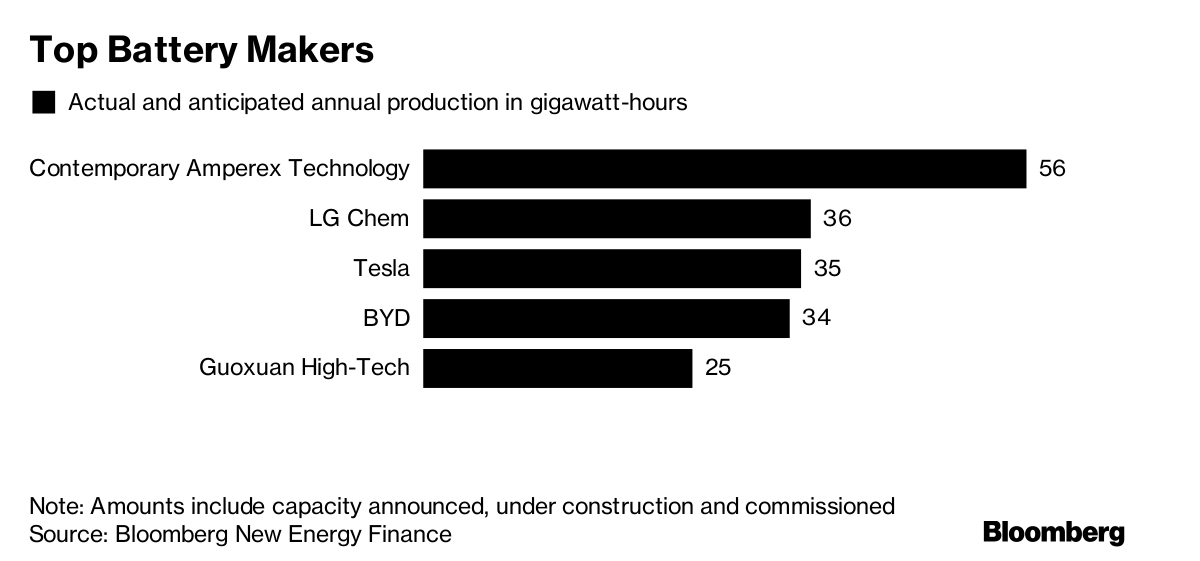
Top Battery Makers
Source: Bloomberg New Energy Finance
Note: Amounts include capacity announced, under construction and commissioned
“This is a watershed event,” said Joel Eisen, an energy law professor at the University of Richmond, not unlike the time when regulators opened up the telecommunications market in the 1970s with rulings that ushered in the digital age by giving computers fair access to phone lines.
Batteries, once relegated to powering small devices like remote controls and watches, are now poised to energize the things most central to daily life, from smartphones to cars to entire homes and offices. And Big Oil’s taken notice. At CERAWeek by IHS Markit -- an annual conference that has drawn some of the largest names in the world of fossil fuels to Houston this week -- executives were scheduled to talk batteries, not once, but twice.
“The question is no longer if batteries will disrupt the power sector,” IHS wrote in a description of one of the discussions, “but rather how much and how fast?” (If it’s any indication of how the industry itself feels about this, the first of these sessions was held across the street from the actual conference, at a restaurant on Wednesday. It was packed.)
Here are the three driving forces behind batteries that executives should know about going into the second talk on Thursday.
Electric Cars
It’s long been discussed that the ascent of lithium-ion batteries -- which are durable, energy-dense and easy to recharge -- would mark the beginning of the end of the fossil-fuel age. As it is, electric cars being made by the likes of Tesla, General Motors Co. and Warren Buffett-backed BYD Co. have replaced gasoline tanks in more than 3 million cars on the road globally.
Predictions are that battery-fueled electric cars will outsell those that run on gasoline by 2040. Based on one estimate from Bloomberg New Energy Finance, that’ll wipe out 8.5 million barrels of transportation fuel demand a day.
No Killing the Electric Car
Electric vehicles forecast to make up half of annual global car sales by 2040
Source: Bloomberg New Energy Finance
Note: Figures starting from 2017 are forecasts

Squeezing Gas
Now the batteries’ advance into power markets threatens the reign of natural gas, which at the moment generates about a third of U.S. electricity. In California and Arizona, utilities including PG&E Corp. and Pinnacle West Capital Corp. are abandoning gas plants in favor of renewable energy projects. These solar and wind farms can now use energy storage systems to stash their power and unleash it as needed.
“Batteries are a huge game changer,” said Andy DeVries, a utilities analyst for CreditSights. “If enough customers have them, then utilities won’t need to keep building new power plants.”
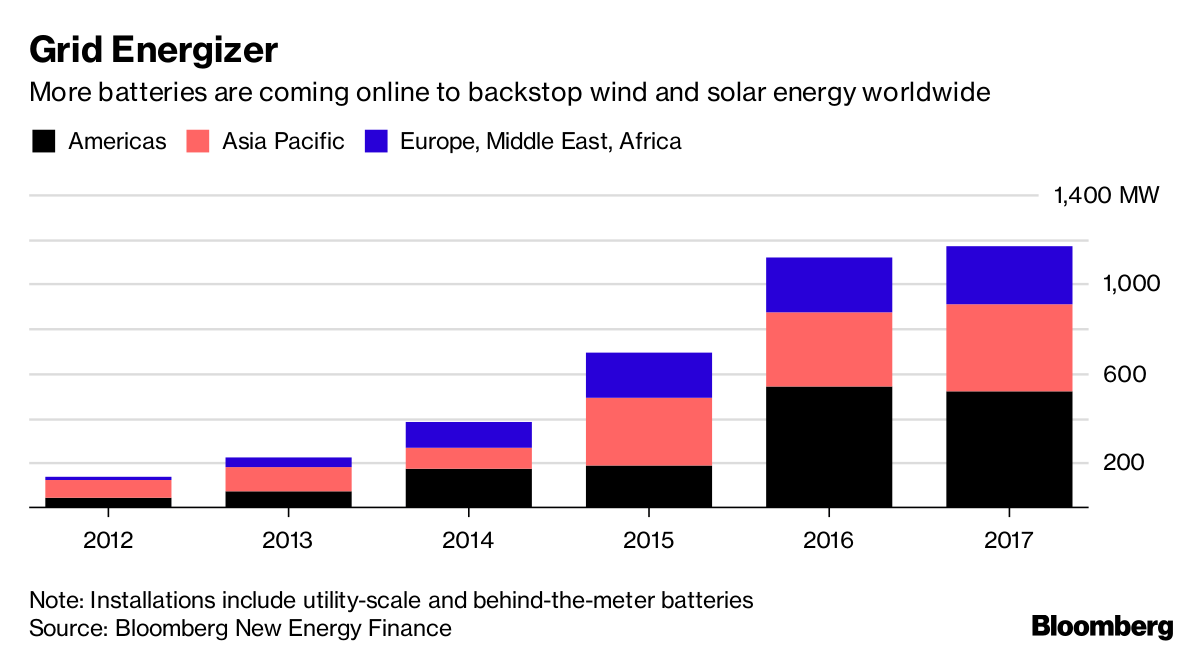
Grid Energizer
More batteries are coming online to backstop wind and solar energy worldwide
Source: Bloomberg New Energy Finance
Note: Installations include utility-scale and behind-the-meter batteries
The Brattle Group has estimated that the energy commission’s recent ruling could help unleash as much as 50 gigawatts of battery-stored power into U.S. markets, enough to light up 6 million homes.
Watch These Prices Plunge
The battery-storage revolution isn’t just around the corner. Lithium-ion pack costs will need to halve again from today’s levels for electric cars to fully compete with gasoline-burning ones, said Albert Cheung, head of analysis for Bloomberg New Energy Finance. Manufacturing will need to ramp up, as well as production of raw materials needed for the batteries. The technology also still relies on policy mandates and incentives in most markets.
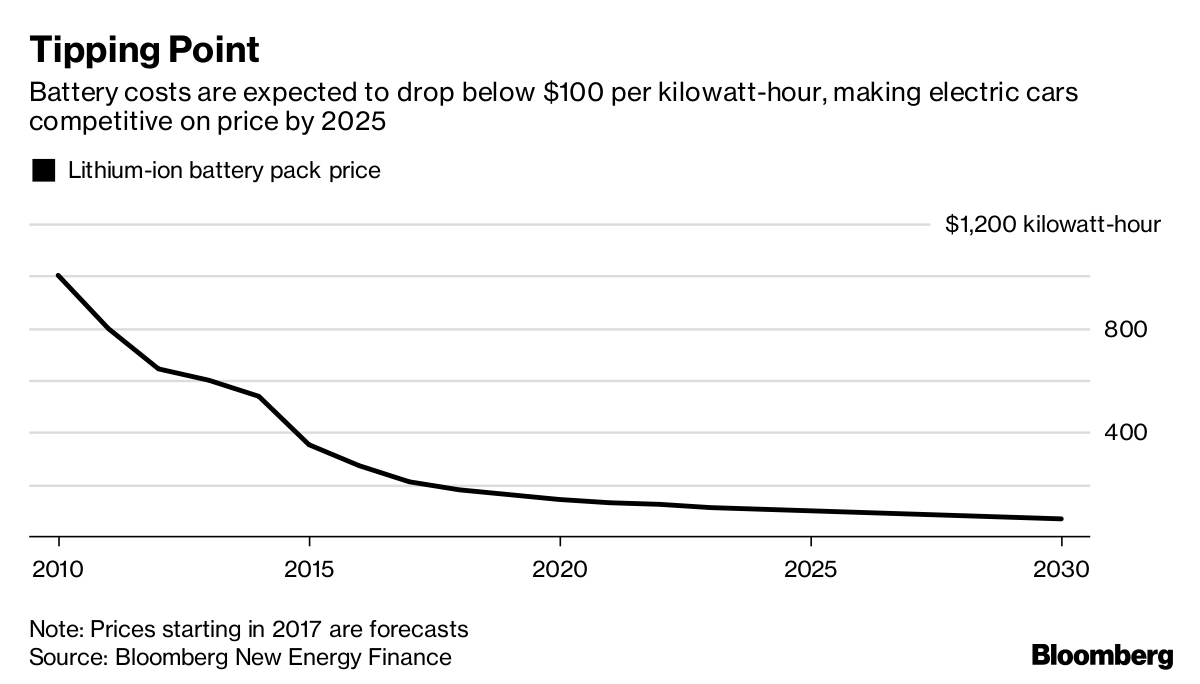
That said, prices are a fifth of what they were eight years ago. And they’re projected to keep falling.
Tipping Point
Battery costs are expected to drop below $100 per kilowatt-hour, making electric cars competitive on price by 2025
Source: Bloomberg New Energy Finance
Note: Prices starting in 2017 are forecasts
Oil and gas companies and utilities alike are already forecasting exactly when energy storage will take hold in cars and on the grid. BP Plc sees oil demand peaking in the 2030s as hundreds of millions of electric cars hit the road. The chief executive officer of oil and natural gas giant Total SA said at CERAWeek that he’s already driving an electric car.
“‘We’re reaching an inflection point,” said Steve Westly, founder of sustainability venture-capital firm Westly Group and former controller and chief fiscal officer for the state of California. “In the future, people will talk about energy in terms of kilowatts per hour instead of oil per barrels.”
— With assistance by Virginia Van Natta, and Tina Davis