 US Market

Stock Activity:
ALL USD Stocks

Chat Now !

Trade, Debt Seen as Global Growth Threats in IMF Panel's Draft
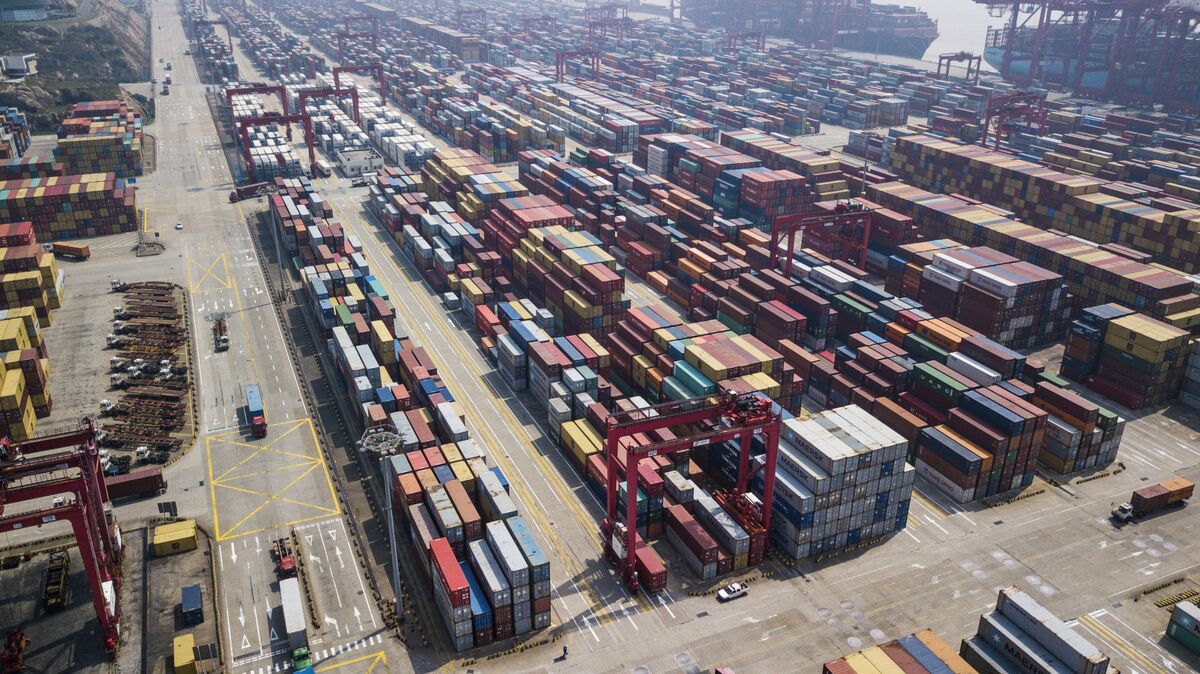
The global growth outlook faces increasing threats from trade tensions and mounting debt despite a strengthening and “increasingly broad-based” expansion at the moment, according to a proposed statement from world finance ministers and central bankers.
The global growth outlook faces increasing threats from trade tensions and mounting debt despite a strengthening and “increasingly broad-based” expansion at the moment, according to a proposed statement from world finance ministers and central bankers.
“Risks are broadly balanced in the near term, but remain skewed to the downside beyond the next several quarters,” according to a draft communique by the IMF’s main advisory committee dated Friday, which was obtained by Bloomberg News ahead of its official release later Saturday. “Rising financial vulnerabilities, increasing trade and geopolitical tensions, and historically high global debt threaten global growth prospects.”
The concerns reflect what the IMF flagged this week in its updated World Economic Outlook. The fund left its forecasts for global growth at 3.9 percent for this year and next, while warning that threats over trade could derail the strongest upswing since 2011 and cautioning about the record-high $164 trillion in world debt.
The proposed language in the IMFC statement represents a ratcheting-up of pessimism since the group’s last semiannual meeting in October, and goes further in some ways than a Group of 20 statement issued in March, just as President Donald Trump stepped up trade threats with China. The draft communique from the International Monetary and Financial Committee also raises the idea that “demographic headwinds and subdued productivity growth may reduce the potential for higher and more inclusive growth going forward.”
Solid Growth
The IMF predicts the strong economic upswing will continue for the next two years
Source: International Monetary Fund

In another change, the IMFC draft implicitly endorses the Federal Reserve’s interest-rate increases, saying that “monetary accommodation should continue where inflation remains weak and be gradually withdrawn where inflation looks set to return to central bank targets.” The previous IMFC statement in October said “monetary policy should remain accommodative, where inflation is still below target and output gaps are negative.”
The draft statement reiterates previous language that countries “will refrain from competitive devaluations, and will not target our exchange rates for competitive purposes.”
The IMFC, the main advisory panel for the International Monetary Fund, is composed of ministers and central bank governors from about two dozen countries, including U.S. and China. Policy makers are gathered in Washington for spring meetings of the IMF and World Bank.
South African Reserve Bank Governor Lesetja Kganyago, who serves as the IMFC chairman, and IMF Managing Director Christine Lagarde will discuss the committee’s stance at a press briefing in Washington on Saturday.