 US Market

Stock Activity:
ALL USD Stocks

Chat Now !

Tunisia Increases Aid to Poor to Calm Anti-Austerity Protests
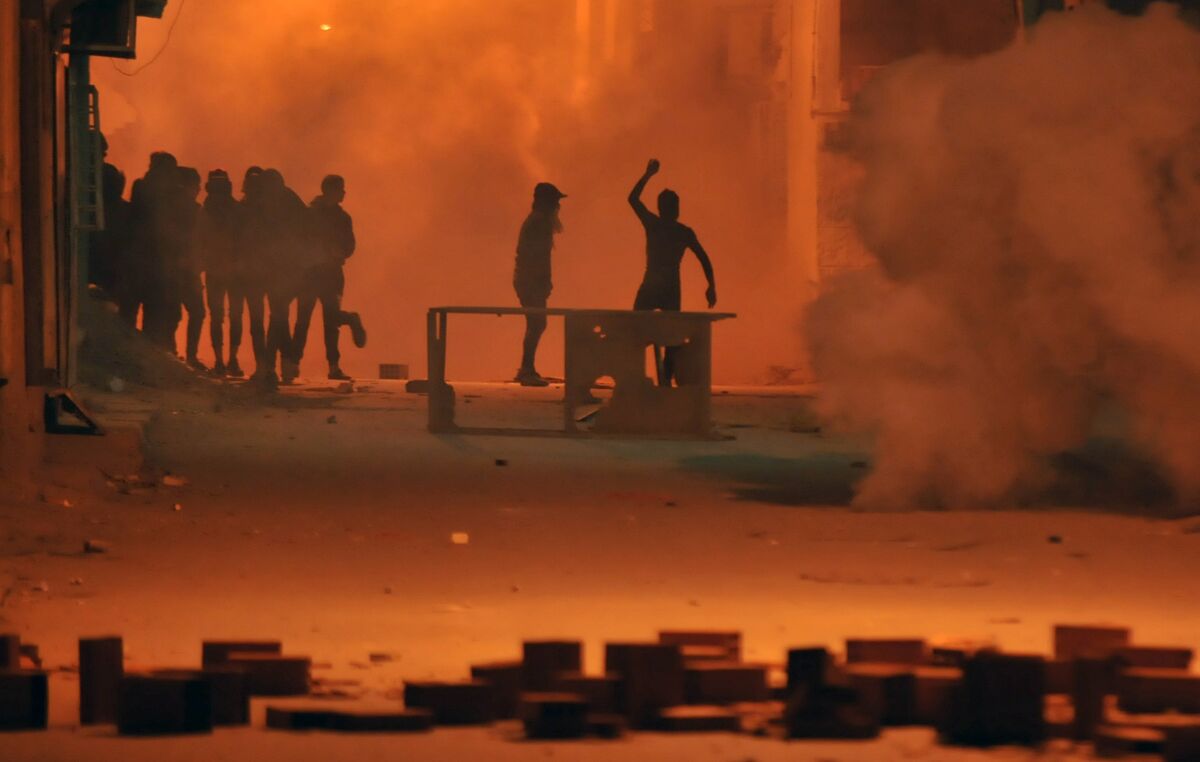
Tunisia’s government agreed on Saturday more aid for low-income families to ease the pain of IMF-backed austerity measures that have sparked violent protests around the North African country.
Tunisia’s government agreed on Saturday more aid for low-income families to ease the pain of IMF-backed austerity measures that have sparked violent protests around the North African country.
Social Affairs Minister Mohamed Trabelsi told Radio Mosaique that the government had agreed in a meeting to raise the welfare budget by 100 million dinars ($40.2 million), with poor families set to receive a 20-percent increase in aid. About 250,000 families are expected to benefit from the measures, which also include an increase in pension payments and expansion of healthcare provisions for unemployed Tunisians.
The move comes after opposition groups urged Tunisians to "reclaim their revolution", calling for major demonstrations on Sunday Jan. 14, the seventh anniversary of the revolt that topped autocrat Zine El Abidine Ben Ali and inspired a wave of Arab Spring uprisings across the region.
Demonstrations in several cities had turned into looting and vandalism last week, with protesters clashing with police who fired tear gas. The Interior Ministry said on Friday it had detained more than 700 people.
The unrest was triggered by the 2018 budget, which cuts spending and raises taxes to bring the deficit to below 5 percent. Demonstrations have swelled into one of the most serious challenges to Prime Minister Youssef Chahed’s government since it was formed in late 2016. The same year, Tunisia’s government promised the International Monetary Fund it would reform the economy in exchange for a $2.9 billion loan. It quickly fell behind in the face of public pressure.
Union Pressure
On Friday, protesters in several cities marched shouting: "The people want to overthrow the finance law." Protesters who tried to storm a government building in Tunis were pushed back by security forces.
Earlier on Saturday, Noureddine Tabboubi, secretary-general of the Tunisian General Union of Labor (UGTT), told reporters following a meeting of Tunisian parties and organizations convened by President Beji Caid Essebsi that new social measures were likely to be announced.
Prime Minister Youssef Chahed also issued a statement earlier saying his government was meeting to consider a social welfare package to mitigate the impact of austerity measures.
Tunisia has made further strides towards building a democracy since the 2011 uprisings than any other Arab Spring country. But political infighting, repeated strikes, demonstrations and terrorist attacks have complicated efforts by elected governments to engineer the kind of economic revival Tunisians had envisaged when they pushed Ben Ali from power.
Subsidy cuts introduced in the 2018 budget are likely to exacerbate hardship in a country where annual inflation was 6.4 percent at the end of 2017, compared to 4.2 percent a year earlier.
Chahed has urged calm and pledged that 2018 would be the last "difficult" year, but it was not clear whether the concessions offered on the eve of the revolution’s anniversary would defuse the crisis.