 US Market
Stock Activity:
ALL USD Stocks

Chat Now !

U.S. Makes Final Pitch to Judge to Block AT&T's Time Warner Deal
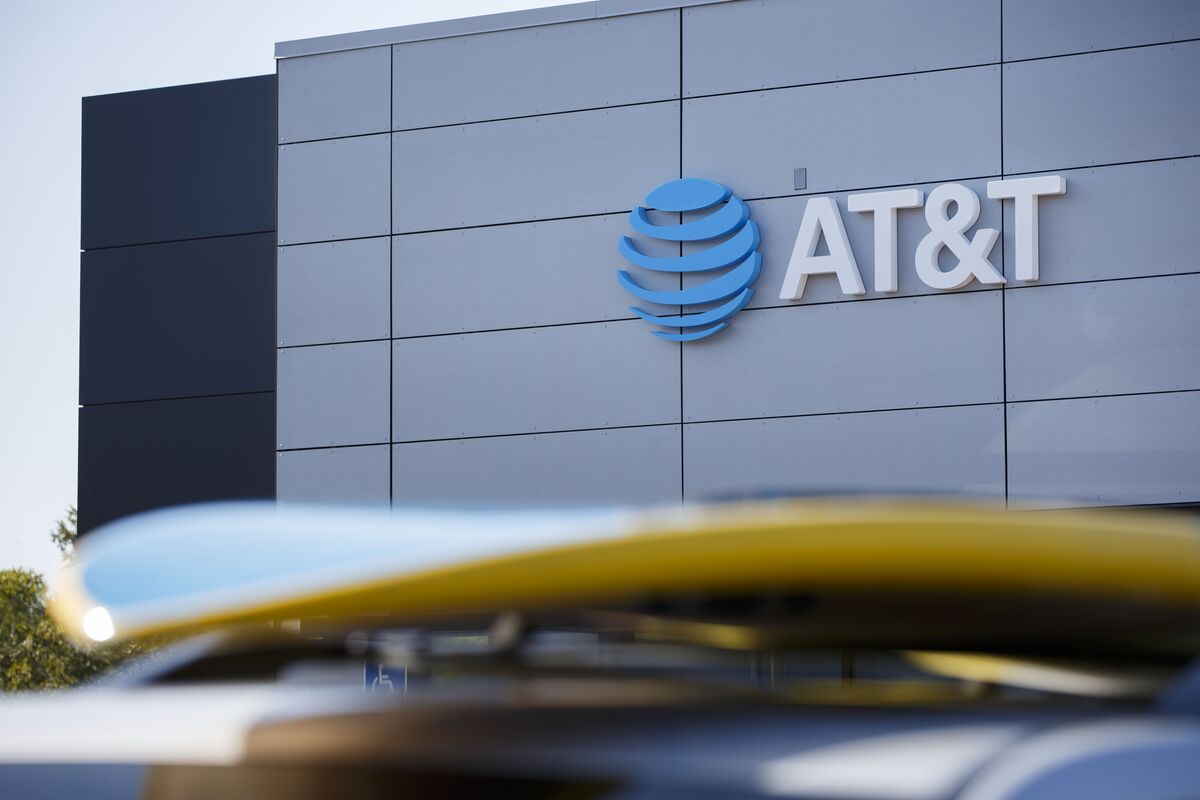
The U.S. made its final plea in the trial over AT&T Inc.’s proposed takeover of Time Warner Inc., telling a judge that consumers will pay the price if the owner of the country’s biggest pay-TV company gains control over an array of "must-have" programming con…
The U.S. made its final plea in the trial over AT&T Inc.’s proposed takeover of Time Warner Inc., telling a judge that consumers will pay the price if the owner of the country’s biggest pay-TV company gains control over an array of "must-have" programming content.
It’s a "key fact" that the $85 billion deal would -- for the first time -- give AT&T and Time Warner both the incentive and ability to lessen competition and dramatically reshape the industry, Justice Department lawyer Craig Conrath said Monday in federal court in Washington.
The U.S. doesn’t need to prove beyond a reasonable a doubt that the merger will lessen competition -- just that it’s likely to do so, Conrath said in his closing argument before U.S. District Judge Richard Leon. Conrath urged Leon to make a "predictive judgment."
Antitrust laws "deal in probabilities, not certainties," Conrath said. "It does that so consumers don’t bear the risks."
Conrath summarized the government’s case, quoting industry executives who took the witness stand to criticize the merger. They testified that the deal could make it harder for distributors to sign programming contracts with Time Warner’s Turner Broadcasting, and that AT&T’s DirecTV could benefit by taking in disgruntled subscribers from its rivals.
“It would let AT&T make its rivals less competitive,” Conrath said about the deal.
Lawyers for AT&T and Time Warner will sum up their case Monday afternoon.