 US Market

Stock Activity:
ALL USD Stocks

Chat Now !

U.S. Stocks Fall on Tech Weakness, Treasuries Slip: Markets Wrap
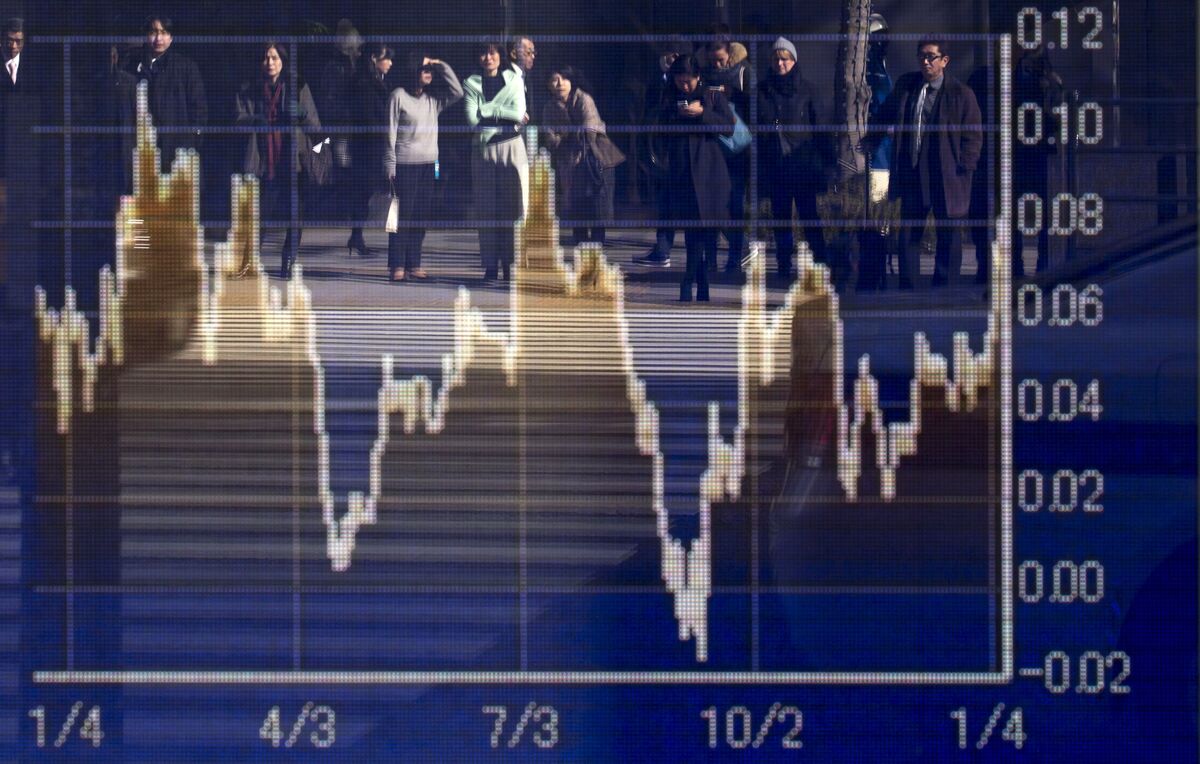
U.S. stocks dropped in light trading as the weakness in technology shares persisted amid renewed presidential criticism of Amazon.com and retaliatory tariffs from China. The dollar held steady and Treasury yields climbed.
U.S. stocks dropped in light trading as the weakness in technology shares persisted amid renewed presidential criticism of Amazon.com and retaliatory tariffs from China. The dollar held steady and Treasury yields climbed.
The S&P 500 Index slumped after its first quarterly retreat since 2015, with volumes 17 percent below average. The Nasdaq 100 Index lost more than 1.5 percent as investors continued to offload some of the bull market’s biggest gainers. Amazon slipped after Donald Trump renewed his criticism. China implemented retaliatory tariffs on a series of U.S. products, though not on tech. The 10-year note yield topped 2.76 percent and crude slipped.
“The US markets will likely serve as a focal point as investors stateside and elsewhere consider what tact the administration will take toward trade in the weeks ahead and what effects it could have on the US economy and the economies of its trading partners,” John Stoltzfus, the chief investment strategist of Oppenheimer & Co., wrote in a note to clients Monday.
Equities in Japan, China and South Korea declined during late Monday trading, reversing an earlier advance. Most European markets were closed for the Easter holiday. China on Monday to tariff treatment for more than 100 types of U.S. goods in reply to Trump’s ordering higher steel and aluminum import duties. Agricultural commodities and metals gained.
Investors are entering the second quarter on the defensive after the worst three months for global stocks in more than two years. February and March were characterized by a surge in volatility amid a barrage of concerns, from escalating trade tensions to a selloff in technology shares. Focus this week will turn to U.S. labor market data Friday, which is expected to show unemployment fall to its lowest level since 2000, while traders will also have one eye on trade developments.
The yen fell after traders digested a poll showing improved support for Prime Minister Shinzo Abe’s cabinet. The South Korean won rose to its strongest against the dollar in over three years as tensions in the region showed further signs of easing. The euro edged higher and the pound strengthened.
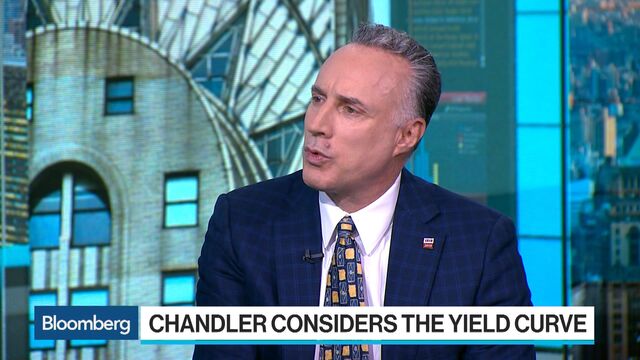

Marc Chandler, Brown Bros. Harriman currency chief, discusses talks markets and the rising dollar.
Source: Bloomberg
“The U.S. economy is showing a lot of symptoms of being late-cycle,” said Marc Chandler, global head of currency strategy at Brown Brothers Harriman & Co. “I’m looking for a downturn in maybe late next year or early 2020, with the fiscal stimulus they’re getting from the White House giving us a little bit of late-cycle expansion, but nothing that changes the game plan.”
Elsewhere, West Texas crude erased its gain to slip below $65 per barrel. Bitcoin clawed its way back above $7,000.
Terminal users can read more in our markets live blog.
Here are some key events coming up this week:
- Easter Monday is a public holiday in many major markets including the U.K., Australia, Canada, and most of Europe.
- U.S. manufacturing PMI and ISM manufacturing data due Monday.
- Reserve Bank of Australia April monetary policy decision due Tuesday.
- New York Fed debuts the Secured Overnight Financing Rate on Tuesday.
- Reserve Bank of India April policy decision due Thursday.
- U.S. employment data due Friday; jobless rate probably fell in March after holding at 4.1 percent for five straight months.
These are the main moves in markets:
Stocks
- The S&P 500 Index declined 0.8 percent as of 10:17 a.m. New York time.
- The Nasdaq 100 was off 1.6 percent and the Dow Jones Industrial Average fell 0.4 percent.
- The MSCI Emerging Market Index increased 0.2 percent.
Currencies
- The Bloomberg Dollar Spot Index fell less than 0.05 percent to 1,124.38.
- The euro climbed 0.1 percent to $1.2333.
- The British pound increased 0.3 percent to $1.4059, the first advance in a week.
Bonds
- The yield on 10-year Treasuries advanced three basis points to 2.77 percent, the biggest gain in a week.
- The yield on two-year Treasuries advanced two basis points to 2.28 percent.
Commodities
- Gold increased 0.7 percent to $1,334.57 an ounce, the biggest climb in more than a week.
- West Texas Intermediate crude dipped 0.8 percent to $64.42 a barrel.
- Corn climbed 0.8 percent to $3.91 a bushel, the highest in almost three weeks.
— With assistance by Adam Haigh, Todd White, and Sarah Ponczek