 US Market
Stock Activity:
ALL USD Stocks

Chat Now !

What You Need to Know About a Renault-Nissan Merger
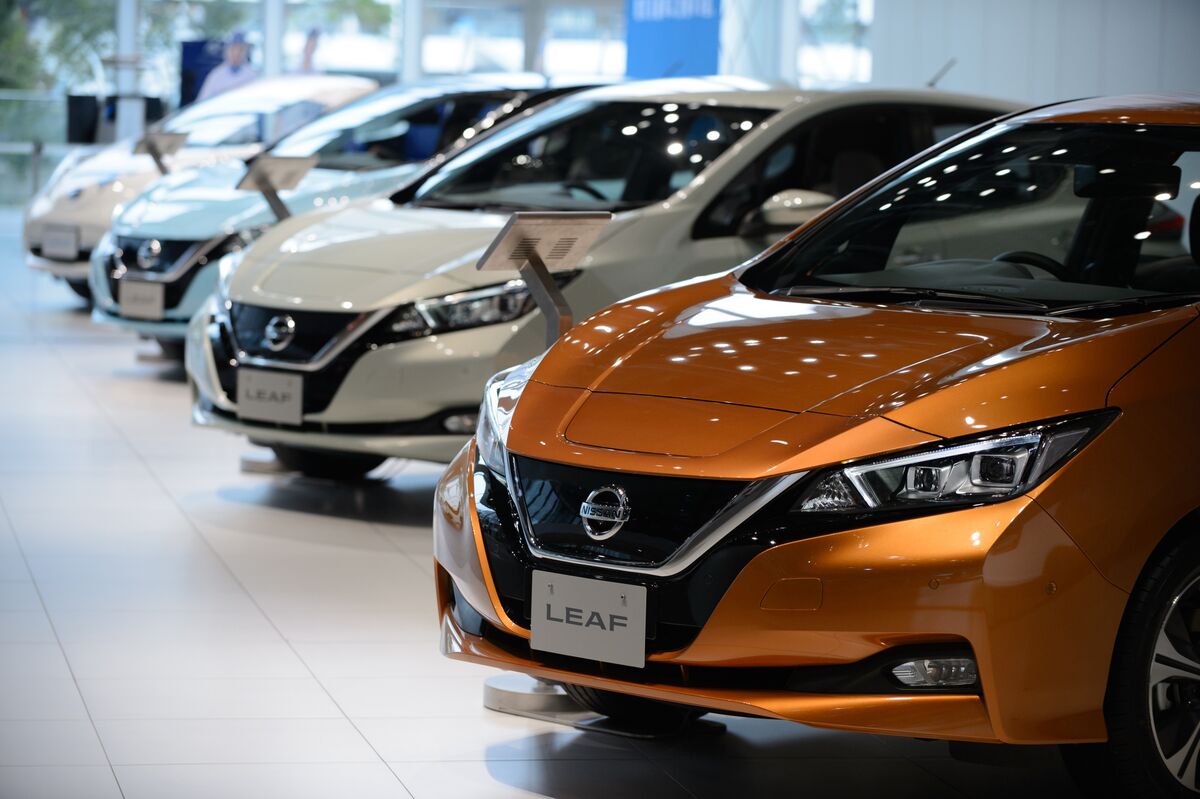
A merger between Renault SA and Nissan Motor Co. would streamline a nearly 20-year-old alliance between the two automakers just as they grapple with the shift to electric vehicles in the industry’s biggest-ever technological change.
A merger between Renault SA and Nissan Motor Co. would streamline a nearly 20-year-old alliance between the two automakers just as they grapple with the shift to electric vehicles in the industry’s biggest-ever technological change.
The companies are in talks to merge and create a new automaker that trades as a single stock, Bloomberg News reported Thursday, citing people with knowledge of the matter.
Here’s what you need to know:
EV Revolution
Carmakers are scrambling --- and spending billions of dollars -- to adapt to the industry’s shift away from diesel engines and toward electric vehicles as emissions regulations are tightening. It’s still unclear how quickly consumers will embrace electric cars: While the Renault-Nissan alliance sold the most battery-powered vehicles in the industry to date, the advantage has amounted to little amid tepid demand. Electrified models will comprise half of Renault’s line-up by the end of 2022 as the carmaker rolls out eight new or revamped wholly battery-powered autos and adds 12 hybrid vehicles.
The Companies
Renault, market value $35.4 billion. France’s biggest carmaker, based in Paris, employs about 125,000 people and had sales last year of $72.4 billion.
Nissan, market value $43.3 billion. The Yokohama, Japan-based company has more than 137,000 workers and posted revenue of $108.4 billion in 2017.
Mitsubishi Motors Corp., based in Tokyo, has a market value of $10.5 billion, almost 30,000 workers and annual sales of $17.6 billion.
Tangled Holdings
Renault is the biggest shareholder in Nissan, with a 43.4 percent stake. The French state is the biggest owner of Renault at 15.01 percent, just ahead of Nissan’s 15 percent. Nissan holds 34 percent of Mitsubishi.
The People
Carlos Ghosn, 64, is chairman of Nissan and Mitsubishi, and chairman and CEO of Renault. He joined the French company in 1996, reviving the unprofitable automaker with job cuts and expense reductions. Three years later, he did the same with Renault partner Nissan, turning it from the most indebted carmaker in the world to the globe’s most profitable, earning him the nickname Le Cost Killer. Ghosn, born in Brazil, raised in Lebanon and educated in France, is the archetypal Davos Man, conferring with heads of state as he jets around the globe to visit factories and attend conferences.
Emmanuel Macron, who became France’s wunderkind president last year at the age of 39, is celebrated by executives as a pro-business leader who’s restored confidence in the nation’s economy. He’s also a proponent for the state to have a strong role shaping industrial policy. As economy minister in 2015, he spearheaded France’s decision to buy more Renault shares to secure special voting rights that give the state more sway in the alliance than the Japanese carmaker, which generates a majority of the profit. Any deal between Nissan and Renault would need Macron’s approval.
The Origins
In 1999, Nissan was stumbling under a crushing debt load and declining sales. Renault swooped in with an offer to take a stake in the Japanese company, and Ghosn and a team of executives were sent to revive the automaker. Nissan, in turn, bought 15 percent of Renault in 2002 as part of a plan to deepen the alliance. In 2016, Nissan stepped in to buy shares in Mitsubishi after the smaller company was rocked by a fuel-economy testing scandal.
Working Together
Renault and Nissan cooperate on engineering, manufacturing and supply chain management, purchasing and human resources. Nissan’s Micra small car, for example, was designed for the European market and is made at a Renault factory in Flins, France. In April, Mitsubishi will further integrate with the alliance by joining a shared parts-purchasing organization.
Need for Change
While Ghosn revived both Nissan and Renault, the Japanese company has become the biggest contributor to the profits of the three-pronged alliance. Yet its 15 percent stake comes with no right to vote at Renault shareholder meetings, as opposed to the French state. Streamlining the arrangement will be helpful to prepare the companies for the day when Ghosn is no longer there to coordinate their relationships, and also to bulk them up as they embark on a strategy to boost electric-car offerings and adapt to the arrival of autonomous driving technologies.
— With assistance by Jie Ma