 US Market
Stock Activity:
ALL USD Stocks

Chat Now !

White House's Kudlow Seeks World Alliance on China: Trade Update
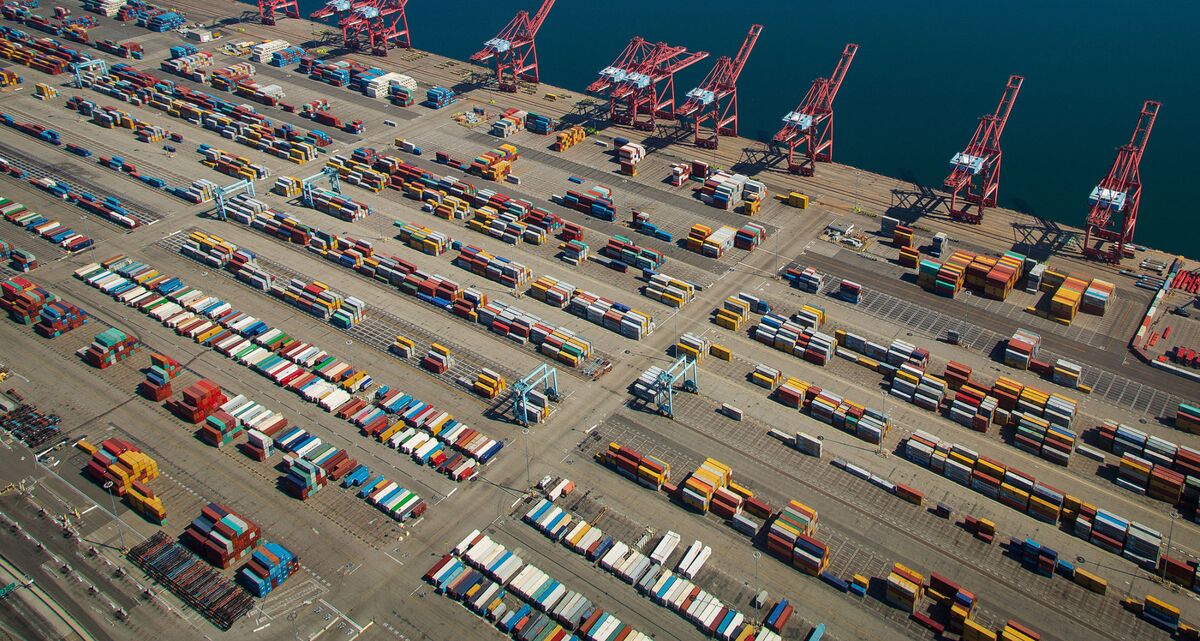
President Donald Trump’s push to rebalance global trade in America’s favor has investors on edge, as his threats to impose import tariffs and curb foreign investment raise the specter of retaliation that could spark a global trade war.
President Donald Trump’s push to rebalance global trade in America’s favor has investors on edge, as his threats to impose import tariffs and curb foreign investment raise the specter of retaliation that could spark a global trade war.
U.S. stocks continued rising early Thursday morning after American and Chinese officials the previous day indicated a willingness to find a negotiated solution to their trade spat. But neither side has announced plans to hold formal talks to stop them from imposing tariffs on each others’ goods.
Here are the latest developments on trade from Washington, updated throughout the day:
Kudlow Seeks ‘Coalition of the Willing’ for China (9:50 a.m.)
The U.S. wants to rally pro-market allies to push back against China’s unfair trade practices, a senior White House adviser said.
“The damage of our economy comes from China’s restrictive practices. Blame China. They’ve been doing this for decades. Don’t blame Trump,” Larry Kudlow, head of the White House’s National Economic Council, told reporters in Washington.
In threatening to punish China for its abuse of intellectual property, Trump is “doing what everyone in the world has said we should do,” said Kudlow, adding that the administration will have more to say about its efforts to recruit other major economies to support the U.S. position.
“I call it a trade coalition of the willing. I think everybody in the world knows that China has not played by the rules for many years,” he said.
For a second straight day, Kudlow sought to reassure investors about Trump’s plan to impose tariffs on $50 billion worth of Chinese products. The White House hasn’t announced a date for tariffs to take effect, and is giving the public about 60 days to offer feedback.
Kudlow emphasized that the tariffs haven’t been enacted, and the administration will consult with a range of parties, including U.S. lawmakers, the agriculture industry and the Chinese government itself. China said Tuesday it prefers to negotiate a solution, but isn’t afraid to retaliate if the U.S. duties take effect.
“It’s nothing around the corner. There’s going to be big discussion about it,” Kudlow said.
Here’s What Already Happened This Week:
- China said Wednesday it would levy a 25 percent tariff on about $50 billion of U.S. imports including soybeans, automobiles, chemicals and aircraft. That was in response to proposed U.S. tariffs on Chinese imports announced the previous day.
- The Trump administration softened a key Nafta demand for more North American content in car manufacturing, according to people familiar with the negotiations.
What to Watch:
- April 13-14: Nafta partners may announce a preliminary deal on the trade pact at a summit in Peru.
- May 1: U.S. steel and aluminum tariffs relief lapses for Canada, Mexico, the European Union, Brazil and Argentina, unless they’ve already agreed to a permanent solution. Trump could also renew the temporary exemptions for talks to continue.
- May 15: The U.S. will hold a public hearing in Washington on its proposed tariffs against China.
- Late May: The Treasury Department must hand over proposed measures to address China’s investment practices involving the acquisition of sensitive technologies.
— With assistance by Andrew Mayeda, Kevin Cirilli, and Kasia Klimasinska